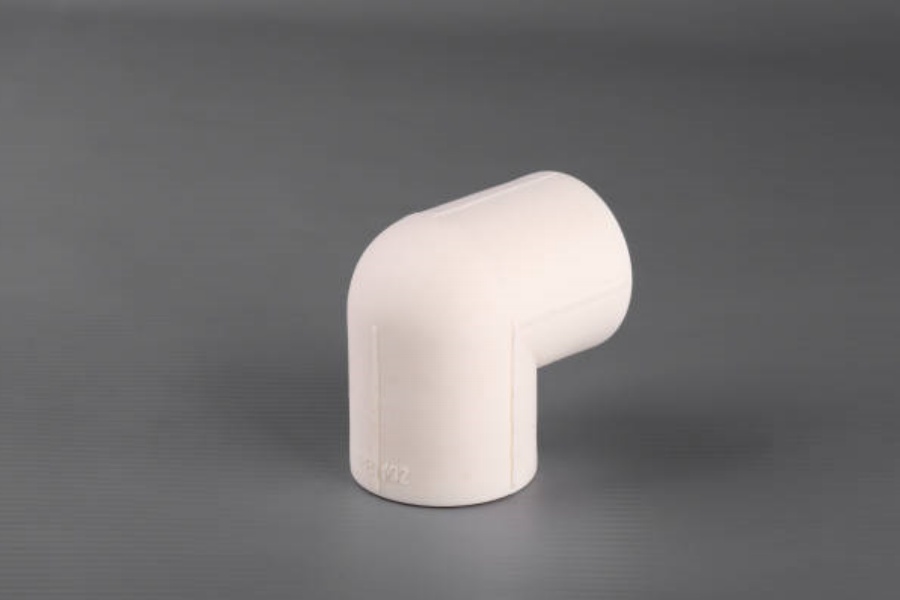
CPVC elbow connection methods are critical in piping systems where the direction of flow needs to change efficiently. These connections facilitate a smooth 90-degree or 45-degree turn in CPVC piping, widely used in plumbing, industrial, and fire sprinkler systems. Understanding various connection techniques ensures the integrity, durability, and leak-proof nature of the system.
Types of CPVC Elbows and Their Applications
CPVC elbows come in different types, primarily 90-degree and 45-degree elbows, each catering to specific piping layouts. Their design affects the connection method used, and they are compatible with multiple joint forming techniques. Choosing the right elbow type based on flow requirements and space limitations directly influences the connection method’s effectiveness.
Solvent Cement Welding: The Most Common CPVC Elbow Connection Method
Solvent cement welding remains the most popular CPVC elbow connection method due to its reliability and ease of use. This process involves applying a chemical solvent that softens the pipe and fitting surfaces, allowing them to fuse and create a permanent, leak-proof joint after curing. Proper surface preparation and curing time are essential for optimal results.
Mechanical Compression Fittings in CPVC Elbow Connections
Mechanical compression fittings provide a versatile CPVC elbow connection method that requires no solvent cement. This method uses compression rings and nuts to clamp the elbow onto the pipe, offering a reliable solution for repairs or temporary setups. Mechanical fittings are ideal when disassembly may be required.
Threaded CPVC Elbow Connections: Advantages and Considerations
Threaded CPVC elbow connection methods involve threading the pipe ends and matching fittings to screw together. This technique allows for easy assembly and disassembly but requires careful threading to avoid leaks. Threaded connections are typically recommended for smaller diameter pipes and where frequent maintenance is a concern.
Heat Fusion Techniques for CPVC Elbows
Though less common than solvent welding, heat fusion methods use controlled heat to melt and bond CPVC elbow joints. This results in a seamless and strong connection. Specialized equipment and training are necessary, making this method suitable for industrial or high-performance applications where maximum joint strength is required.
Use of Flanged Connections with CPVC Elbows
Flanged connectors paired with CPVC elbows offer an alternative connection method often used in systems where CPVC is joined to metal piping or equipment. The flange provides mechanical strength and ease of servicing, but requires gaskets and appropriate torque to ensure a leak-tight seal.
Challenges in CPVC Elbow Connection Methods
Common challenges encountered during CPVC elbow connections include improper solvent application, misalignment, inadequate curing, and thermal expansion issues. Each connection method demands specific attention to detail to avoid leaks, joint failures, or degradation, influencing the system’s overall longevity and safety.
Inspection and Testing of CPVC Elbow Connections
After installation of CPVC elbow connections, thorough inspection and pressure testing are essential. Visual checks for gaps, cracks, or solvent residue must be conducted, along with hydrostatic pressure tests to confirm joint integrity. This quality control process prevents future failures and ensures compliance with industry standards.
Maintenance Tips for Long-Lasting CPVC Elbow Connections
Proper maintenance of CPVC elbow connections involves regular inspection for signs of wear or chemical damage and ensuring environmental factors such as UV exposure and extreme temperatures do not compromise the joints. Implementing routine checks can prolong the lifespan of CPVC piping systems and maintain optimal performance.
Future Trends in CPVC Elbow Connection Methods
Innovations in CPVC elbow connection methods focus on enhancing ease of installation, joint strength, and environmental sustainability. New solvent formulas, improved mechanical fittings, and advancements in heat fusion technology are emerging trends that promise to improve efficiency and reliability in CPVC piping systems.
Quote Inquiry
contact us