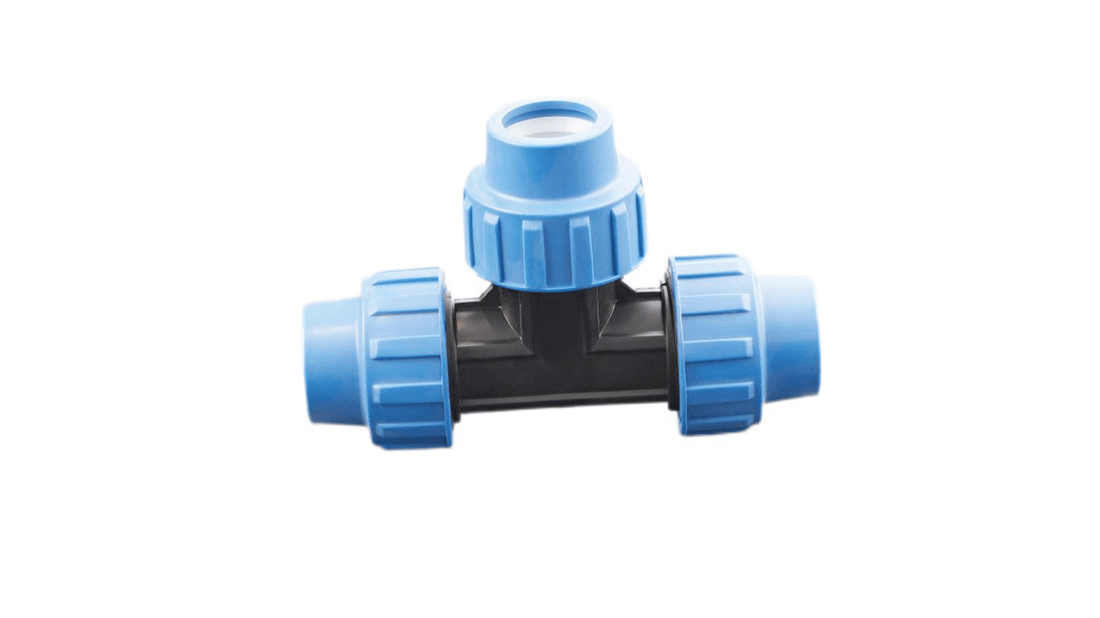
The PP Compression Reducing Tee is a vital component in piping systems designed to connect three pipes of varying diameters. Made from polypropylene (PP), this reducing tee ensures a reliable and leak-proof junction, facilitating fluid flow between different pipe sizes. Its unique design aids in managing pipeline branching efficiently, making it indispensable in industrial, agricultural, and domestic plumbing applications.
Material Advantages of Polypropylene in Compression Fittings
Polypropylene (PP) stands out for its chemical resistance, lightweight nature, and durability. The PP Compression Reducing Tee harnesses these benefits, providing corrosion resistance and longevity in various environmental conditions. This material’s resistance to acids, alkalis, and solvents makes it ideal for chemical processing plants, ensuring safety and maintenance ease.
How the Compression Mechanism Works in Reducing Tees
The compression mechanism in a PP Compression Reducing Tee offers a secure, tool-free connection by tightening a compression nut that compresses a ring around the pipe. This technique results in a watertight seal without requiring adhesives or heat fusion. The easy installation reduces labor time and costs, while enabling versatile applications in fieldwork or tight spaces.
Applications Across Industries for PP Compression Reducing Tee
This type of reducing tee finds extensive use in water supply systems, irrigation networks, chemical transfer, and compressed air lines. Its adaptability to diverse fluids and pressures makes it a preferred choice in agriculture, water treatment plants, and manufacturing. The PP Compression Reducing Tee supports complex pipeline layouts involving multiple pipe diameters, enhancing system design flexibility.
Benefits of Using a Reducing Tee in PP Compression Fittings
The reducing tee configuration allows transition between various pipe sizes, optimizing flow rates and pressure distribution. Using a PP Compression Reducing Tee prevents abrupt diameter changes that can cause turbulence or pressure loss. Additionally, it conserves materials and costs by allowing integration of existing pipes with different diameters without extensive modifications.
Installation Tips for PP Compression Reducing Tee
Proper installation is crucial for the optimal performance of a PP Compression Reducing Tee. Ensure the pipe ends are clean, smooth, and free from any debris before assembly. Hand-tighten the compression nut initially, then use appropriate tools to secure the connection firmly without over-tightening, which can damage the fitting or pipe. Regular inspection aids in identifying potential leaks early.
Comparing PP Compression Reducing Tee to Other Fitting Types
Compared to welded or solvent cemented fittings, the PP Compression Reducing Tee offers the advantage of easy disassembly and reusability. It is also less time-consuming to install and does not require specialized equipment. While mechanical joints might have similar benefits, polypropylene’s chemical resistance and durability often make the PP Compression Reducing Tee the preferred choice.
Pressure and Temperature Specifications
PP Compression Reducing Tees generally operate efficiently within moderate pressure and temperature ranges, typically up to 10 bar and 60°C. These specifications make them suitable for cold water systems, irrigation, and non-pressurized chemical pipelines. It is important to review manufacturer guidelines to match the fitting with the intended system conditions to ensure safety and durability.
Environmental Impact and Sustainability Considerations
Polypropylene is a recyclable thermoplastic, and many PP Compression Reducing Tee manufacturers promote sustainable production methods. The durability and long lifespan of these fittings reduce replacement frequency, lowering waste generation. Additionally, the ability to disassemble and reuse fittings contributes to eco-friendly practices in pipeline maintenance.
Future Trends and Innovations in PP Compression Fittings
Ongoing advancements aim to enhance the mechanical strength and chemical resistance of PP Compression Reducing Tees. Innovations include integrating antimicrobial additives for potable water systems and expanding size ranges for industrial scalability. Digital integration for leak detection and monitoring systems also represents an emerging trend, promoting smarter pipeline infrastructure.
Quote Inquiry
contact us