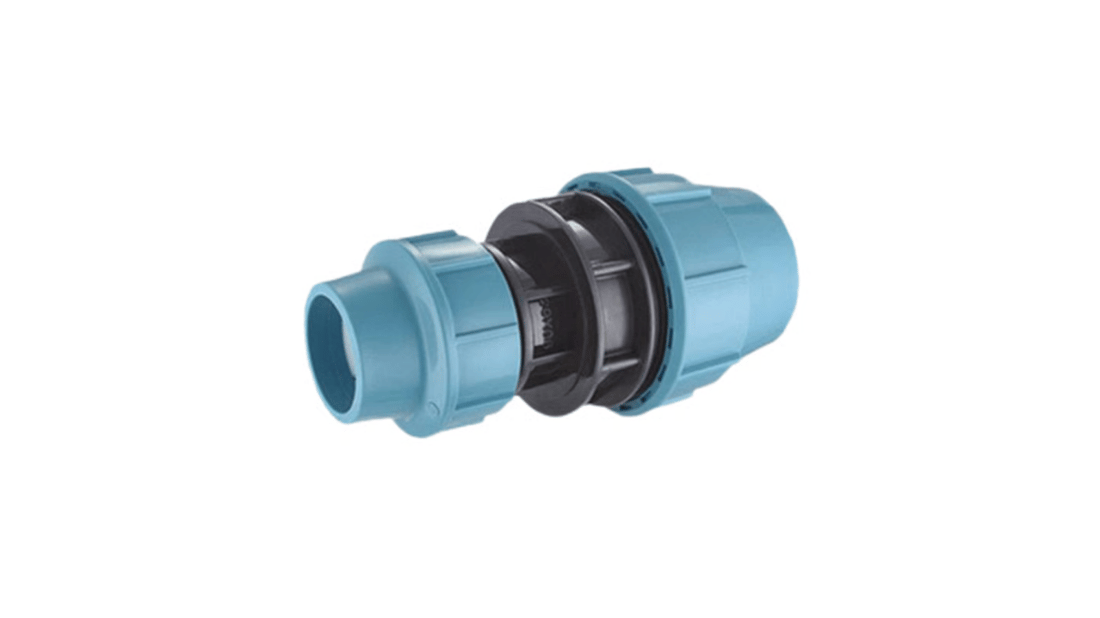
PP Reducing Coupling is a type of pipe fitting designed to connect two pipes of different diameters, ensuring seamless flow and system integrity. Made from polypropylene (PP), this coupling offers excellent chemical resistance, durability, and flexibility. Its primary purpose is to facilitate transitions between various pipe sizes without compromising the structural or functional aspects of the piping system. This essential component is widely used in industrial, agricultural, and residential plumbing applications.
Material Advantages of PP in Reducing Coupling
The choice of polypropylene as the material for reducing couplings delivers several benefits. PP is known for its lightweight characteristics, high resistance to corrosion and chemical degradation, and excellent mechanical strength. These properties make PP Reducing Couplings ideal for harsh environments where metal fittings might fail due to rust or chemical exposure. Moreover, polypropylene fittings provide long-lasting performance with minimal maintenance.
Applications of PP Reducing Coupling in Plumbing Systems
PP Reducing Couplings are extensively utilized in a variety of plumbing systems including water supply networks, irrigation channels, and wastewater treatment facilities. Their ability to handle different pipe diameters aids in customized system designs, enabling engineers and technicians to optimize flow rates and pressure conditions. The compatibility of PP reducing couplings with both cold and hot water systems further expands their usability.
Installation Techniques for PP Reducing Coupling
Installing a PP Reducing Coupling requires precision and adherence to best practices to maintain system integrity. Common installation methods include socket welding and mechanical jointing, with socket welding being preferred due to its leak-proof sealing qualities. Proper sizing, alignment, and use of compatible tools ensure a reliable and durable connection between dissimilar pipe sizes.
Impact of PP Reducing Coupling on System Efficiency
Incorporating PP Reducing Couplings into pipeline systems directly influences operational efficiency. By providing a smooth transition between pipes of different diameters, these couplings reduce turbulence and potential flow disruptions. This, in turn, minimizes energy loss and maintains consistent pressure levels, critical factors in industrial processes and water distribution systems.
Economic Benefits of Using PP Reducing Coupling
PP Reducing Couplings offer cost-effective solutions over traditional metal fittings. Their lower material and manufacturing costs, combined with reduced installation time and maintenance expenses, contribute to overall project savings. Additionally, the extended lifespan of polypropylene reduces the frequency of replacements, further enhancing economic value for end-users.
Environmental Impact and Sustainability of PP Reducing Coupling
Polypropylene is a recyclable material, and many PP Reducing Couplings are produced with sustainability in mind. Utilizing these couplings helps reduce reliance on metals that require energy-intensive extraction and processing. Moreover, the durability and long functional life reduce waste, supporting eco-friendly plumbing and piping systems aligned with environmental regulations.
Common Challenges and Troubleshooting PP Reducing Coupling
Despite the advantages, users might encounter challenges such as improper sealing or size mismatch when using PP Reducing Couplings. Troubleshooting involves ensuring correct coupling size selection, proper surface preparation before welding, and verifying compatibility with pipe materials and fluids. Adhering to installation guidelines helps mitigate common issues and prolong coupling performance.
Comparing PP Reducing Couplings with Alternative Materials
When compared to metal or PVC reducing couplings, PP Reducing Couplings stand out due to their superior chemical resistance and flexibility. While metal couplings may be more robust in high-temperature environments, PP couplings excel in corrosive chemical settings and are easier to handle due to their lighter weight. The choice depends on application requirements, fluid types, and environmental factors.
Future Trends and Innovations in PP Reducing Coupling Design
Advancements in polymer technology are continuously enhancing the capabilities of PP Reducing Couplings. Innovations include improved UV resistance, reinforced polypropylene composites for increased pressure tolerance, and smart coupling designs featuring integrated sensors for monitoring flow and leakage. These developments promise to expand the applicability and reliability of PP Reducing Couplings across industries.
Quote Inquiry
contact us