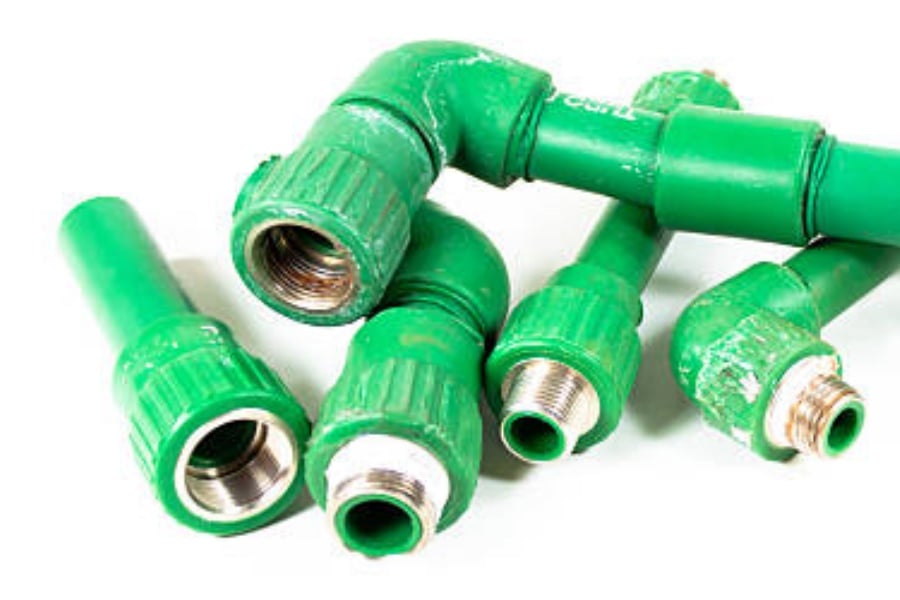
PPR aluminum plastic pipe is an innovative piping material widely used in plumbing and heating systems. It combines the strength and flexibility of aluminum with the corrosion resistance and durability of polypropylene random copolymer (PPR). This composite structure results in a pipe that offers superior performance compared to traditional metal or plastic pipes, making it a popular choice for various domestic and industrial applications.
Structure and Composition of PPR Aluminum Plastic Pipe
The typical PPR aluminum plastic pipe consists of a five-layer structure: two layers of PPR on the inside and outside, bonded by an intermediate adhesive layer, enclosing a central aluminum layer. This aluminum core provides rigidity and acts as an oxygen barrier, while the PPR layers protect the metal and ensure excellent chemical resistance. This multi-layer design enhances the pipe’s stability and lifespan.
Advantages Over Traditional Pipes
PPR aluminum plastic pipes outperform traditional pipes like copper, steel, and pure plastic in several aspects. Due to their corrosion resistance, they do not rust or scale internally, which maintains smooth water flow over time. Their lightweight construction makes installation easier and faster. Moreover, the aluminum layer provides excellent thermal insulation, improving energy efficiency in heating systems.
Application in Hot and Cold Water Systems
One of the primary uses of PPR aluminum plastic pipes is in hot and cold water supply systems. Their ability to withstand high temperatures (often up to 95°C) without deformation makes them ideal for hot water pipelines. Additionally, because they resist pressure changes and thermal expansion, these pipes maintain integrity and prevent leakage, ensuring reliable performance in residential and commercial plumbing.
Role in Central Heating and Radiant Floor Systems
Due to their thermal conductivity and resistance to heat, PPR aluminum plastic pipes are frequently used in central heating and underfloor radiant heating systems. The aluminum layer helps maintain consistent heat distribution, while the PPR layers protect against scaling and corrosion. Their flexibility also allows easier routing through floors and walls without compromising system efficiency.
Environmental Impact and Sustainability
PPR aluminum plastic pipes are considered environmentally friendly due to their longer lifespan and recyclability. They reduce the need for frequent replacements and minimize material waste. Additionally, the non-toxic nature of PPR ensures safe drinking water transportation without the risk of contamination. The manufacturing process also tends to have a lower carbon footprint compared to metal pipe production.
Installation Process and Compatibility
Installation of PPR aluminum plastic pipes is relatively straightforward and compatible with existing plumbing systems. These pipes can be connected using heat fusion welding techniques that create airtight and leak-free joints. Their resistance to corrosion means fewer complications during retrofitting projects, making them a preferred choice for both new constructions and renovations.
Cost Efficiency and Longevity
While the upfront cost for PPR aluminum plastic pipes may be slightly higher than some traditional options, their durability and reduced maintenance expenses make them cost-efficient over time. Their resistance to corrosion and pressure ensures fewer repairs and replacements. This long lifespan offers considerable savings, particularly in large-scale installations like apartment buildings and industrial facilities.
Common Challenges and Solutions
Despite their advantages, PPR aluminum plastic pipes require careful handling during installation, especially regarding bending radius and joint preparation. Excessive bending or improper fusion can lead to leaks or structural failure. Manufacturers often provide detailed guidelines and training to address these challenges, ensuring optimal performance and safety in system design.
Future Trends and Innovations
The future of PPR aluminum plastic pipes looks promising with ongoing improvements in materials and manufacturing processes. Innovations are focused on enhancing flexibility, strength, and environmental sustainability. Additionally, integrating smart sensor technologies within piping systems may allow real-time monitoring of water flow, temperature, and pressure, thus advancing the efficiency of household and industrial plumbing networks.
Quote Inquiry
contact us