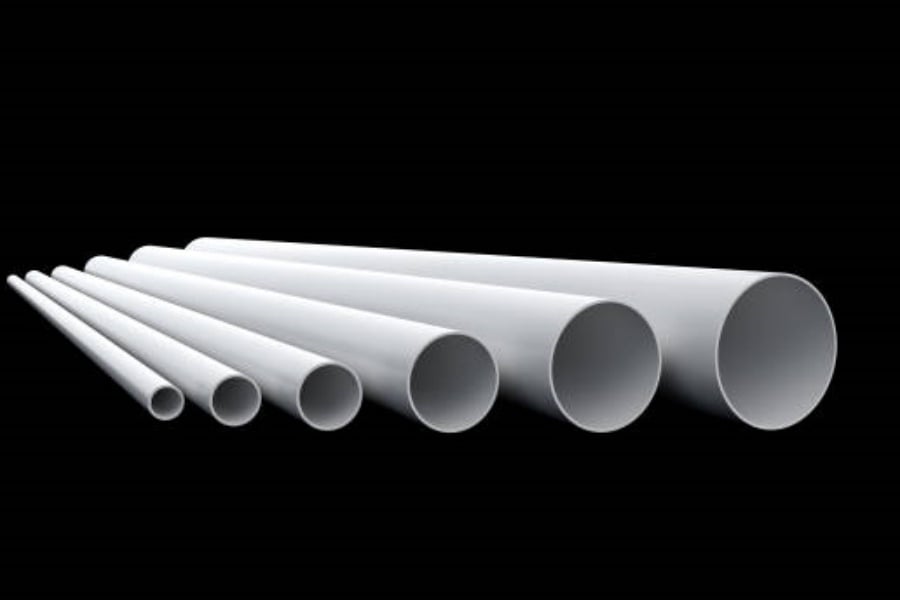
PPR fiber glass pipe represents an innovative composite material pipe solution that combines polypropylene random copolymer (PPR) with fiber glass reinforcement. This fusion offers enhanced mechanical properties, making it ideal for various industrial and residential piping systems. The integration of fiber glass significantly improves the pipe’s strength and durability compared to traditional PPR pipes, establishing it as a superior choice for modern plumbing and process applications.
Material Composition and Manufacturing Process
The production of PPR fiber glass pipe involves incorporating finely woven fiber glass strands within a PPR matrix. This composite manufacturing process reinforces the polymer's inherent flexibility with the rigidity and temperature resistance of fiber glass. The careful layering and adhesion techniques employed ensure uniform distribution of fiber glass, boosting the overall structural integrity and lifespan of the pipe in demanding environments.
Advantages of Using PPR Fiber Glass Pipe
Among the key benefits of PPR fiber glass pipe are its exceptional chemical resistance, thermal stability, and corrosion resistance. Unlike metal pipes vulnerable to rust, these composite pipes resist aggressive chemicals and maintain performance under fluctuating temperatures. Additionally, the pipes display high impact resistance and low thermal expansion, minimizing maintenance expenses and prolonging service life.
Applications in Plumbing and Water Supply Systems
PPR fiber glass pipe is widely used in potable water systems due to its hygienic properties and resistance to biofilm formation. Its smooth inner surface reduces friction loss, enhancing water flow efficiency. These pipes are also preferred in hot and cold water supply networks because of their excellent thermal insulation properties, helping maintain temperature integrity and reduce energy consumption.
Industrial Applications and Chemical Processing Uses
In demanding industrial environments, PPR fiber glass pipes are favored for transporting corrosive chemicals, acids, and alkalis. Their resistance to aggressive substances coupled with high mechanical strength ensures safe, leak-free operations. Many chemical plants deploy these pipes for chemical transfer lines and process water systems where metal piping solutions fail due to corrosion or contamination risks.
Performance Under High Temperature and Pressure
PPR fiber glass pipe can withstand significantly higher temperatures and pressures compared to conventional PPR pipes. Fiber glass reinforcement enhances thermal resistance, allowing the pipe to operate reliably in systems with elevated pressure demands. This makes it suitable for heating applications, including radiator connections and hot water circulation circuits.
Durability and Longevity Considerations
The combination of PPR and fiber glass results in a corrosion-proof, wear-resistant piping solution that maintains its structural integrity over decades. Unlike metal or standard plastic pipes, PPR fiber glass pipe demonstrates remarkable resilience against UV exposure, scaling, and cracking. This durability translates into fewer system failures and reduced replacement costs over time.
Installation and Handling Advantages
PPR fiber glass pipes are lightweight compared to traditional metal pipes, simplifying transportation and installation logistics. They can be easily joined using heat fusion, creating seamless, leak-proof joints. This efficient installation process saves labor time and cost and minimizes the potential for system leaks, ensuring long-term operational security.
Environmental Impact and Sustainability
From an eco-friendly perspective, PPR fiber glass pipe exhibits low environmental impact during manufacturing and use. The materials involved are recyclable, and the pipe’s longevity reduces the frequency of replacements, minimizing waste generation. Moreover, its energy-saving thermal properties contribute to lowering greenhouse gas emissions in heated water applications.
Future Trends and Technological Advancements
Ongoing research is focusing on enhancing the properties of PPR fiber glass pipes by optimizing fiber orientation and polymer matrix formulations. Innovations such as nano-fiber reinforcement and improved hybrid composites are expected to advance mechanical strength and thermal resistance further. Such developments are likely to broaden the scope of applications and improve system efficiencies in the years to come.
Quote Inquiry
contact us