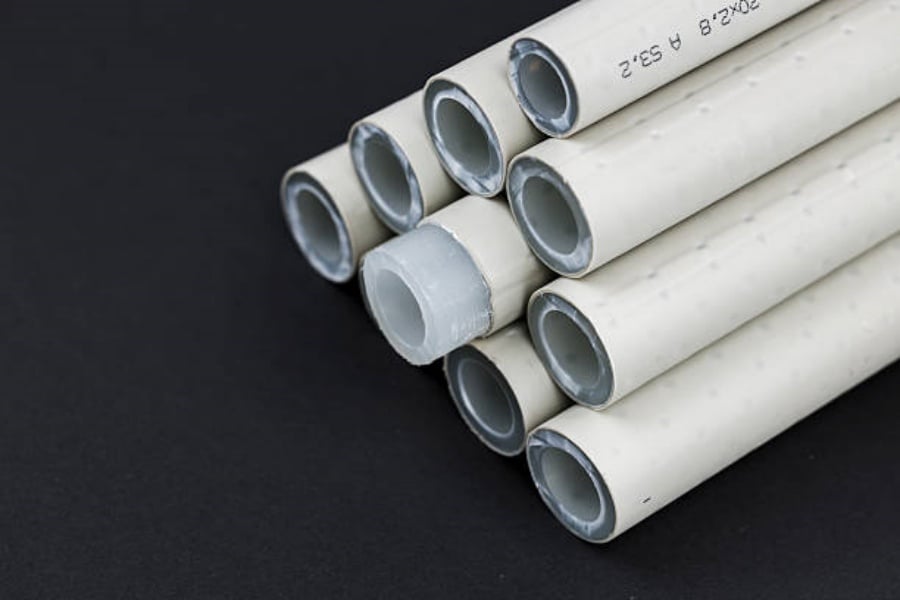
Understanding PPR pipe: An Introduction
Polypropylene Random Copolymer (PPR) pipe is a widely used plastic piping material primarily designed for hot and cold water supply systems. Known for its exceptional resistance to heat and pressure, PPR pipes have become a popular choice in residential, commercial, and industrial plumbing. This material combines durability, safety, and environmental sustainability, making it an ideal solution for modern piping needs.
Material Composition and Manufacturing Process
PPR pipes are produced using polypropylene random copolymer resin, which gives them excellent thermal stability and chemical resistance. The manufacturing process involves extrusion, where the molten polymer is forced through dies to form pipes of varying diameters. Advanced technology ensures uniform wall thickness and smooth surfaces, which minimize friction loss and prevent bacterial growth inside the pipes.
Benefits of Using PPR Pipe in Plumbing Systems
PPR pipes offer several advantages over traditional metal or PVC pipes. Key benefits include corrosion resistance, high temperature tolerance (up to 95°C), non-toxic properties, and excellent pressure endurance. Their lightweight nature facilitates ease of installation, while their longevity reduces maintenance costs, ensuring a cost-effective and reliable plumbing solution.
Thermal and Chemical Resistance of PPR Pipe
One of the standout features of PPR pipes is their ability to withstand high temperatures without deforming or losing strength. They resist chemicals and corrosion, making them suitable for transporting aggressive liquids and gases. This resistance extends the lifespan of the pipes and ensures safe, contamination-free fluid transport across various applications.
Applications of PPR Pipe Across Industries
PPR pipes are extensively used in potable water supply, heating systems, air conditioning, and industrial fluid handling. Their resistance to thermal shock and chemical attack makes them perfect for both residential and commercial plumbing. Additionally, their hygienic properties render them ideal for medical and food processing industries where purity is essential.
Installation Techniques and Joining Methods
The installation of PPR pipes is straightforward, primarily relying on heat fusion welding methods. This involves heating pipe ends and connectors until molten and then joining them to create a homogeneous bond. The resulting joints are as strong as the pipe itself, ensuring leak-free systems. This method requires minimal time and skill, reducing labor costs and installation errors.
Environmental Impact and Sustainability of PPR Pipe
PPR pipes are eco-friendly due to their recyclable nature and long lifespan, which minimizes replacement frequency and waste generation. Their inert composition means they do not leach harmful substances into water or soil. Moreover, PPR pipe production consumes less energy compared to metal pipes, contributing to reduced carbon footprint in plumbing infrastructure.
Comparative Analysis: PPR Pipe vs. Other Piping Materials
Compared to PVC, copper, and steel pipes, PPR pipes offer superior heat resistance, corrosion protection, and ease of installation. Unlike metal pipes, PPR does not corrode or scale, enhancing water quality and system durability. While slightly pricier than PVC, the long-term savings from maintenance and replacement make PPR pipes more economical.
Maintenance and Longevity of PPR Pipe Systems
PPR pipe networks require minimal upkeep due to their resistance to scaling, corrosion, and chemical degradation. Regular inspections can ensure system integrity, but the durable nature of the material often makes repairs infrequent. When handled correctly during installation, PPR pipes can comfortably last 50 years or more, proving their value over time.
Future Trends in PPR Pipe Technology
Innovations in polymer composites and manufacturing techniques continue to enhance PPR pipe performance. Developments aim at increasing UV resistance for outdoor applications, improving thermal insulation properties, and integrating antimicrobial additives. As sustainable building practices grow, PPR pipes are poised to remain a cornerstone in advanced plumbing and fluid transport systems.
Quote Inquiry
contact us