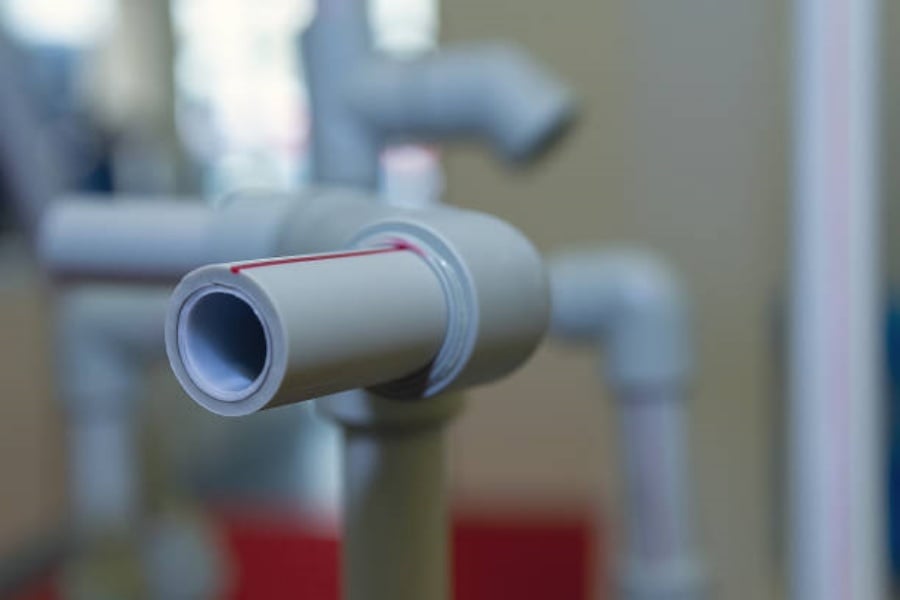
PPR water pipes, or Polypropylene Random Copolymer pipes, have become a popular choice in plumbing systems worldwide. These pipes are made from a high-quality plastic material known for its durability and resistance to thermal and chemical effects. The increasing preference for PPR water pipes stems from their superior properties compared to traditional metal pipes, making them ideal for various water supply applications.
2. Material Composition and Properties of PPR Pipes
The core material of PPR water pipes is polypropylene random copolymer, a polymer combining strength with flexibility. This material ensures that PPR water pipes are resistant to high temperatures, corrosion, and chemical degradation. Additionally, PPR pipes have minimal thermal expansion, low heat conductivity, and excellent impact resistance, enhancing their performance in diverse environmental conditions.
3. Advantages of Using PPR Water Pipes
One of the major advantages of PPR water pipes is their long service life, often exceeding 50 years under normal conditions. They provide excellent insulation, minimizing heat loss in hot water systems. PPR pipes are also lightweight, simplifying transportation and installation. Furthermore, they require low maintenance, resist scale buildup, and are environmentally friendly as they can be recycled.
4. Durability and Resistance to Corrosion
Unlike metal pipes, PPR water pipes do not corrode or rust, which dramatically reduces the risk of contamination and pipe failure. Their chemical resistance extends to various acidic and alkaline substances found in water supply systems. This durability makes PPR pipes the preferred choice for both potable water and industrial fluid transportation.
5. Applications of PPR Water Pipes in Residential Plumbing
In residential settings, PPR water pipes are widely used for hot and cold water distribution systems. Their ability to withstand high temperatures makes them suitable for hot water lines, while their corrosion resistance ensures clean and safe potable water supply. Additionally, PPR pipes are increasingly used for underfloor heating installations due to their flexibility and thermal efficiency.
6. Industrial and Commercial Uses of PPR Pipes
Beyond residential use, PPR water pipes find extensive applications in industrial and commercial environments. They are used in chemical processing plants, food and beverage industries, and hospitals where hygienic, corrosion-resistant solutions are mandatory. PPR pipes’ resistance to chemicals and pressure makes them suitable for transporting a variety of fluids safely.
7. Installation Techniques for PPR Water Pipes
Installation of PPR water pipes involves heat fusion welding, which creates a strong, leak-proof joint between pipe segments. This method eliminates the need for mechanical fittings, reducing the risk of leaks and failures. Proper training and tools are essential for achieving effective fusion, ensuring the longevity and reliability of the piping system.
8. Environmental Impact and Sustainability
PPR water pipes contribute to eco-friendly plumbing solutions as they are 100% recyclable and have a lower carbon footprint compared to metal counterparts. Their long service life reduces the frequency of pipe replacement, lowering waste generation. Additionally, PPR pipes do not release harmful chemicals into water systems, promoting safer environments.
9. Cost-Effectiveness of PPR Water Pipes
While the initial cost of PPR water pipes can be higher than conventional pipes, their overall lifecycle cost is lower due to reduced maintenance, energy savings, and long durability. The lightweight nature reduces transportation and handling costs, and simplified installation methods cut labor expenses. These factors combine to make PPR water pipes a cost-effective solution for plumbing projects.
10. Future Trends and Innovations in PPR Pipe Technology
Advancements in polymer technology are continually enhancing the performance of PPR water pipes. Innovations include improved UV resistance for outdoor applications, flame retardant properties, and antibacterial additives to promote water hygiene. Smart piping systems incorporating sensors in PPR pipes for monitoring flow and detecting leaks are also emerging, expanding their functional scope.
Quote Inquiry
contact us