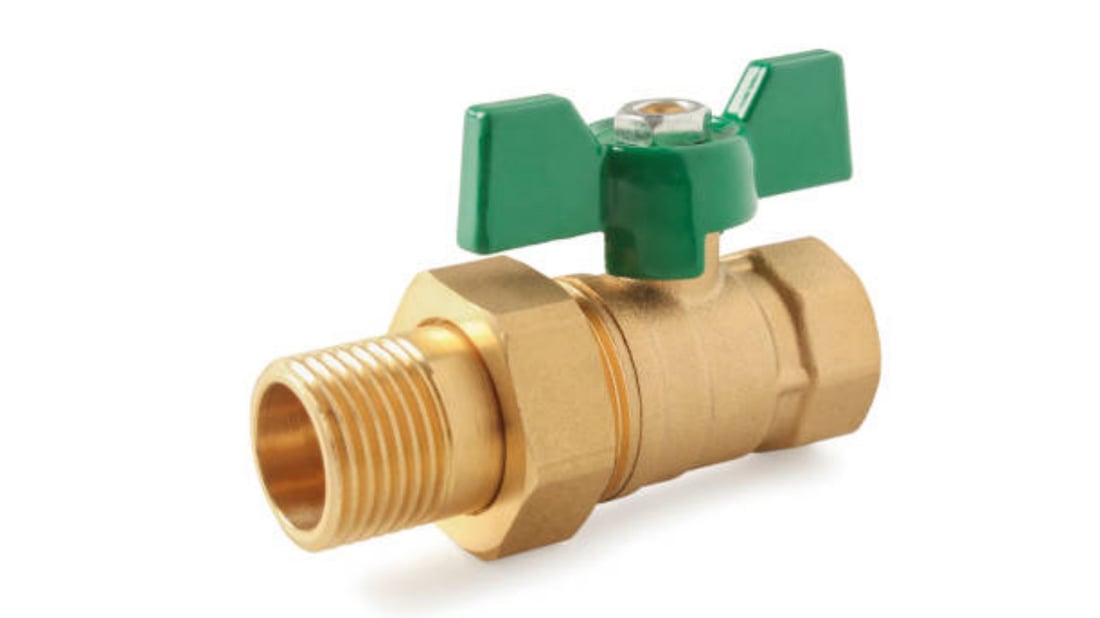
The Threaded Double Union Ball Valve is a specialized type of valve designed for regulating fluid flow in piping systems. Its defining characteristic lies in the double union connections, which allow for easy installation and removal without disturbing the pipe assembly. The threaded ends enable secure attachment to threaded pipes, making it a versatile solution across various industries.
Design and Construction Elements
Constructed typically from durable materials such as stainless steel, brass, or PVC, the Threaded Double Union Ball Valve boasts robust corrosion resistance and longevity. The valve features a spherical ball with a hole through its center that can be rotated to control flow. The double union design includes two union nuts, facilitating simpler maintenance and replacement without dismantling the entire piping system.
Efficiency in Fluid Control
The ball mechanism within the valve provides swift and precise control of fluid flow. When fully open, the hole in the ball aligns with the pipeline, allowing unrestricted flow and minimal pressure drop. Its quarter-turn operation ensures rapid shutoff and start-up, making the Threaded Double Union Ball Valve effective in applications requiring quick response.
Advantages of the Double Union Feature
Having two unions on either side of the valve body simplifies the process of valve removal or replacement. This design eliminates the need for cutting pipes or breaking the connection, reducing downtime during maintenance. The threaded double union ball valve is highly valued for this convenience in industries where uninterrupted operation is critical.
Wide Range of Applications
Threaded Double Union Ball Valves are widely used in chemical processing, water treatment, oil and gas, HVAC, and food industries. Their adaptability and reliability under varying temperatures and pressures make them suitable for handling liquids, gases, and even slurries. The ability to easily disconnect and reconnect piping enhances their usefulness in complex systems.
Pressure and Temperature Ratings
These valves are engineered to handle moderate to high pressures, often rated up to ANSI Class 600 standards depending on material and size. Temperature tolerance can range from sub-zero to several hundred degrees Fahrenheit, accommodating diverse operational conditions. Manufacturers provide precise specifications, ensuring users can select the appropriate valve to match system requirements.
Maintenance and Longevity Benefits
Maintenance of the Threaded Double Union Ball Valve is straightforward due to its detachable unions and simple internal structure. Regular inspection and lubrication of the ball and seats extend service life. Its resistance to wear and corrosion contributes to a reliable, long-lasting operation, minimizing replacement frequency and total ownership costs.
Installation Flexibility
The threaded connections of the double union ball valve allow for flexible installation in tight or confined spaces. Unlike flanged valves, these threaded valves do not require extensive support or alignment during assembly. This flexibility makes them ideal for retrofits, expansions, and repairs where piping modifications are minimal.
Cost-Effectiveness in Industrial Settings
Though initially more costly than standard threaded ball valves, the double union feature reduces labor and downtime expenses over time. The ease of removal and replacement without system interruption translates into operational savings. Additionally, their durability lowers frequent replacement costs, making them a cost-effective choice in the long run.
Emerging Trends and Technological Enhancements
Advancements in materials and sealing technology continue to improve the performance of the Threaded Double Union Ball Valve. Innovations such as enhanced PTFE seats and anti-corrosion coatings increase valve life and seal reliability. Automation integration, including actuator compatibility, is expanding their use in smart industrial systems and remote operation scenarios.
Quote Inquiry
contact us