Understanding UPVC DWV Coupling: Definition and Function
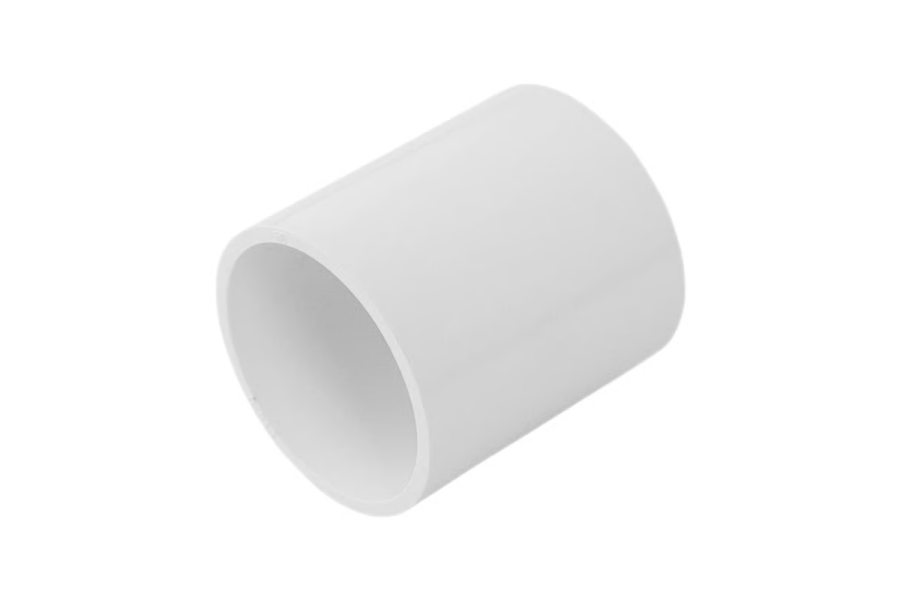
UPVC DWV coupling is a critical component in drainage, waste, and vent (DWV) piping systems. Made from unplasticized polyvinyl chloride (UPVC), these couplings serve as connectors that join two pipe sections together, ensuring a leak-proof and durable system. Their rigidity and chemical resistance make them highly suitable for waste water removal applications in residential and commercial plumbing.
Material Advantages of UPVC in DWV Couplings
UPVC stands out due to its robust chemical resistance, low maintenance needs, and longevity. Unlike traditional materials like metal, UPVC does not corrode or rust when exposed to harsh chemicals and waste liquids. This makes UPVC DWV couplings a preferred choice in environments that handle aggressive drainage substances or sewer gases.
Design Features Enhancing UPVC DWV Coupling Performance
The design of UPVC DWV couplings generally includes a smooth internal bore and tight-fitting sockets with rubber seals to prevent leaks. Their slip-on or solvent weld configurations enable quick and secure installations. These features contribute to enhanced flow efficiency, minimizing blockages in drainage systems.
Installation Ease and Efficiency of UPVC DWV Couplings
Installation of UPVC DWV coupling is straightforward, often requiring minimal tools and time. The lightweight nature of UPVC components facilitates ease in handling and fitting, significantly reducing labor costs. Additionally, solvent cement welding creates strong joints that resist system pressure changes and temperature fluctuations.
Durability and Longevity in Harsh Environments
UPVC DWV couplings offer exceptional durability even in harsh environmental conditions. They remain stable under ultraviolet (UV) exposure and varying temperature conditions without deforming. This long service life reduces the need for frequent replacements and contributes to sustainable plumbing infrastructure.
Applications in Residential Plumbing Systems
In residential plumbing, UPVC DWV couplings are commonly used to connect drain pipes from sinks, toilets, and washing machines to the main sewer line. Their non-toxic nature and resistance to bacterial growth promote hygienic waste water handling. The coupling’s corrosion resistance also prevents contamination and blockages.
Commercial and Industrial Use Cases
Commercial buildings and industrial plants utilize UPVC DWV couplings in extensive drainage systems requiring reliability under high-volume waste flow. Their resistance to acids and solvents found in industrial effluents makes UPVC coupling an optimal choice for chemical plants, laboratories, and manufacturing units.
Environmental Benefits of Using UPVC DWV Coupling
UPVC DWV couplings contribute to environmental conservation through their resistance to leaks and cracks, which reduces contamination of soil and groundwater. Furthermore, UPVC is recyclable, supporting green building practices. The long lifespan of these couplings means reduced material consumption and waste generation over time.
Cost-Effectiveness Compared to Alternative Materials
Compared to metal or cast iron couplings, UPVC DWV couplings offer a more cost-effective solution without compromising performance. The combined advantages of low installation costs, minimal maintenance, and longevity translate into significant savings over the lifecycle of a plumbing system.
Maintenance and Troubleshooting for UPVC DWV Couplings
Maintenance of UPVC DWV couplings largely involves routine inspection to ensure no physical damage or seal deterioration. When leaks or blockages do occur, couplings can be easily replaced or repaired without extensive system shutdowns. Their compatibility with standard plumbing tools simplifies troubleshooting and upkeep processes.
Quote Inquiry
contact us