Understanding UPVC DWV Equal Tee: Definition and Basic Function
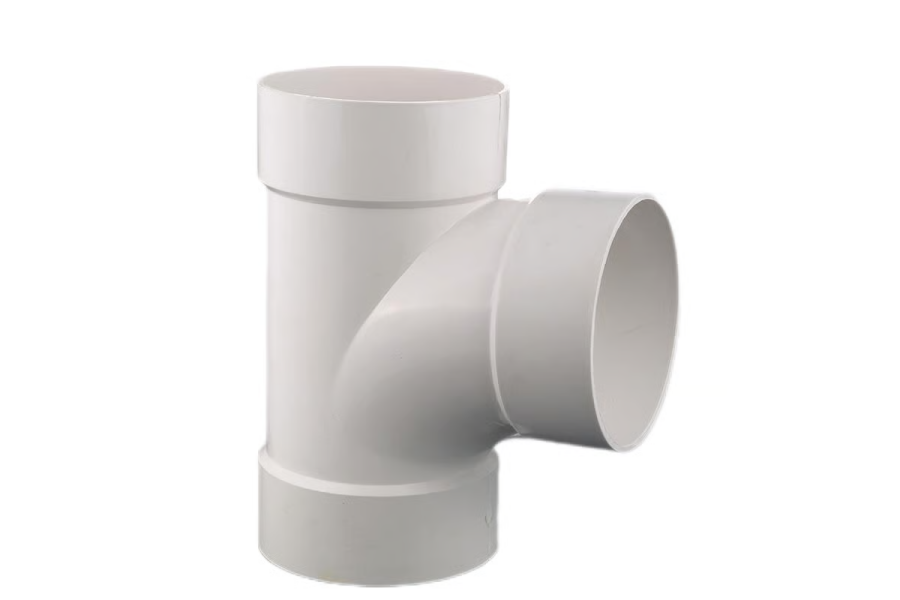
The UPVC DWV Equal Tee is a fundamental component in drainage, waste, and vent (DWV) pipe systems. It is designed with three outlets of equal diameter, allowing the smooth junction of three pipe lines at a 90-degree angle. This equal tee facilitates the efficient flow of wastewater or venting gases, ensuring system integrity and minimizing blockages. Made of unplasticized polyvinyl chloride (UPVC), it offers durability and corrosion resistance compared to traditional materials.
Material Advantages of UPVC in DWV Equal Tee Fittings
UPVC, as a thermoplastic material, exhibits exceptional chemical resistance, making the UPVC DWV Equal Tee ideal for sewage and drainage applications. Unlike metals, UPVC does not corrode, rust, or degrade when exposed to harsh chemicals or moisture. Moreover, its lightweight nature simplifies handling and installation, reducing labor efforts and transportation costs. Its non-toxic composition also ensures it does not contaminate wastewater, an important feature for environmental safety.
Applications Across Residential and Commercial Plumbing Systems
UPVC DWV Equal Tee fittings find widespread use in both residential and commercial DWV systems. They are integral in connecting horizontal drainage pipes with vertical stacks, redirecting wastewater from sinks, toilets, and other fixtures. Their ability to maintain equal diameter outlets ensures uniform flow rates, reducing the risk of backflow and blockages. This adaptability makes them suitable for a variety of building types, including high-rise apartments, offices, and industrial facilities.
Design Specifications and Dimensions
Standard UPVC DWV Equal Tee fittings conform to industry specifications such as ASTM D2665 or BS EN standards. They come in multiple diameter sizes ranging from 40mm to 200mm or more, depending on system requirements. The wall thickness and socket depth are engineered to provide strength while facilitating easy solvent-welded connections with compatible UPVC pipes. Precise design ensures leak-proof joints and long-term system reliability.
Installation Techniques and Best Practices
Proper installation of the UPVC DWV Equal Tee involves surface cleaning, application of primer and solvent cement, and accurate alignment of pipes. Since the tee has equal-sized openings, the installer must ensure all three pipes are cut squarely to fit snugly. Avoiding excessive solvent cement or misalignment preserves the integrity of the joint and prevents future leaks. Using suitable supports and clamps also helps maintain system stability during operation.
Resistance to Environmental Factors
The UPVC DWV Equal Tee demonstrates high resistance to environmental stresses such as UV exposure, moisture, and temperature variations typically encountered in drainage systems. While UPVC is stable at moderate temperatures, it can become brittle under extremely low temperatures and soften slightly at very high temperatures. Nonetheless, within normal DWV operating ranges, it remains dimensionally stable and unaffected by microbial growth or chemical attack.
Comparison with Other Materials: Metal and Cast Iron Fittings
When compared with metal or cast iron equal tees, UPVC DWV Equal Tees offer notable advantages in terms of corrosion resistance, longevity, and ease of installation. Metal fittings may require additional protective coatings and are prone to rust, whereas UPVC is inherently resistant. Additionally, the cost-effectiveness and lighter weight of UPVC make it a preferred choice for many modern plumbing systems without sacrificing performance.
Maintenance and Longevity of UPVC DWV Equal Tee Systems
Due to its robust material properties, UPVC DWV Equal Tee fittings require minimal maintenance once installed. They resist scale build-up and chemical degradation, which often complicates metal pipe systems. Routine inspection of joints and system flushing can help detect any early signs of blockage or damage. With proper installation and usage, the lifespan of UPVC DWV equal tees can exceed several decades, providing a long-term solution for DWV systems.
Environmental Implications and Sustainability Considerations
UPVC is a recyclable material, and using UPVC DWV Equal Tee fittings contributes to sustainable building practices. Its resistance to chemical corrosion reduces the need for frequent replacements, minimizing waste generation. However, responsible disposal and recycling programs are essential at the end of the product’s lifecycle to lessen environmental impact further. The energy-efficient manufacturing process of UPVC components also supports green construction initiatives.
Future Trends and Innovations in UPVC DWV Equal Tee Technology
The development of UPVC DWV equal tees is progressing with advancements such as enhanced impact resistance, better sealing technologies, and integration with smart plumbing systems. Research into bio-based additives aims to improve the environmental friendliness of UPVC materials. Furthermore, manufacturers are focusing on producing fittings compatible with modular and prefabricated components to accelerate installation and reduce labor costs in large projects.
Quote Inquiry
contact us