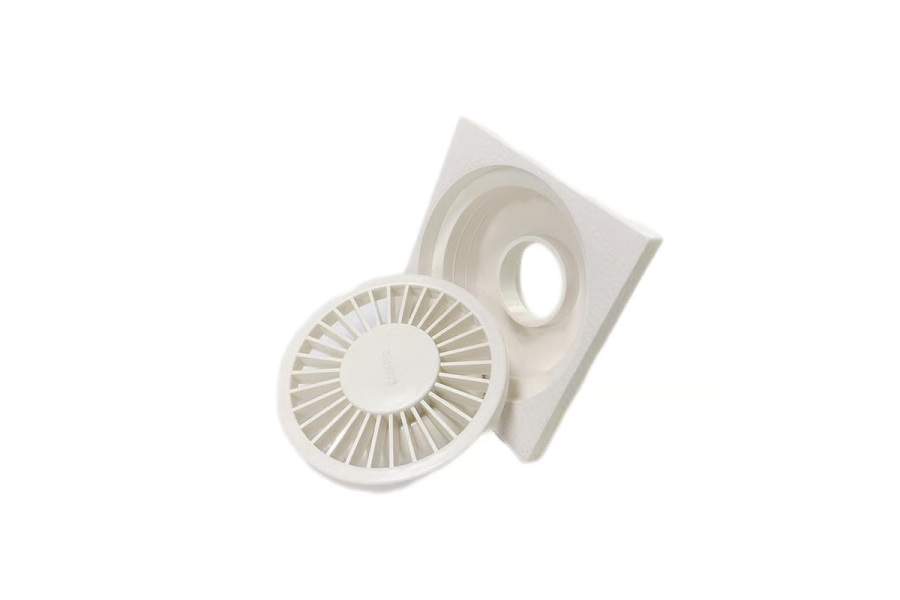
UPVC DWV floor drains are essential components in modern drainage systems, facilitating efficient water removal from floors in residential, commercial, and industrial buildings. Made from Unplasticized Polyvinyl Chloride (UPVC), these drains are specifically designed to integrate with Drain-Waste-Vent (DWV) systems, ensuring proper flow and venting of wastewater while preventing blockages and odors.
Material Advantages of UPVC DWV Floor Drains
The use of UPVC in DWV floor drains brings significant durability and chemical resistance. UPVC is non-corrosive, lightweight, and able to withstand a wide range of chemicals often found in waste fluids. This makes UPVC DWV floor drains highly resistant to rust, corrosion, and wear, extending the service life compared to metal alternatives.
Design and Structure of UPVC DWV Floor Drains
UPVC DWV floor drains typically feature a robust grate cover mounted on a vertical drainage pipe that connects seamlessly to the building's DWV piping. Their modular design allows for easy installation and maintenance. The surface grates are often slip-resistant, ensuring safety in wet areas. Their design also supports efficient drainage by minimizing clogging and enabling smooth water flow.
Installation Process and Compatibility
Installing UPVC DWV floor drains involves connecting them to existing UPVC DWV systems using solvent welding techniques that produce strong, leak-proof joints. Their standardized dimensions and fittings ensure compatibility with other UPVC plumbing components, simplifying integration and reducing installation time and costs.
Applications in Residential Buildings
In residential settings, UPVC DWV floor drains are widely used in bathrooms, kitchens, basements, and laundry rooms. Their ability to efficiently drain wastewater from tiled or concrete floors prevents water accumulation and damage. Furthermore, their chemical resistance allows safe disposal of household detergents and cleaning agents without degrading the drain components.
Commercial and Industrial Usage
Commercial kitchens, factories, and processing plants benefit from UPVC DWV floor drains due to their capacity to handle high volumes of wastewater and exposure to chemicals, oils, and other industrial fluids. Their robustness and chemical inertness make them ideal for environments that require reliable, hygienic drainage solutions.
Maintenance and Longevity Benefits
UPVC DWV floor drains demand minimal maintenance, primarily due to their resistance to blockages and corrosion. Routine cleaning of the grate and occasional inspection of the drain trap ensure consistent performance. The material’s resistance to biofilm buildup and chemical attack contributes to the drain’s longevity, reducing the need for frequent replacements.
Environmental and Economic Impact
The production and use of UPVC DWV floor drains offer environmental advantages by reducing the frequency of product replacements and minimizing waste. UPVC is recyclable, and many manufacturers emphasize eco-friendly production practices. Economically, these drains present a cost-effective solution due to their durability, ease of installation, and reduced maintenance requirements.
Compliance with Building and Plumbing Codes
UPVC DWV floor drains conform to international plumbing standards, including ASTM and ISO certifications that regulate material quality and performance. Compliance ensures these drains meet safety, sanitation, and functionality requirements critical for building approvals and inspections, vital for both new constructions and renovations.
Future Trends in UPVC DWV Floor Drain Technology
Advancements in UPVC compound formulations continue to enhance the performance of DWV floor drains, such as improving UV resistance and impact strength. Integration with smart building technologies, including sensors for water flow and blockage detection, is emerging, creating opportunities for smarter, more efficient drainage systems that can proactively address maintenance issues.
Quote Inquiry
contact us