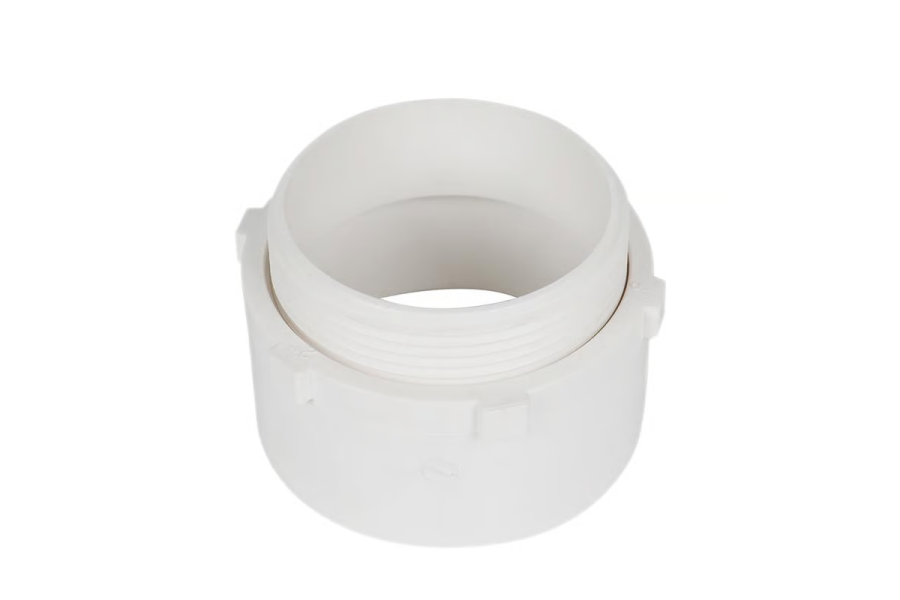
The UPVC DWV Male Adapter is a crucial plumbing component designed to connect UPVC pipes within Drain, Waste, and Vent (DWV) systems. Made from unplasticized polyvinyl chloride (UPVC), this adapter provides a durable and corrosion-resistant interface between pipes and fittings, featuring a male threaded end that facilitates easy and secure connections to female-threaded components. Its design ensures efficient wastewater management in residential, commercial, and industrial plumbing systems.
Material Advantages of UPVC in DWV Male Adapters
The use of UPVC in DWV Male Adapters offers exceptional resistance to chemical corrosion and weathering, making it ideal for drainage applications. UPVC material is lightweight yet strong, enhancing ease of installation without compromising durability. Additionally, UPVC's smooth interior surface minimizes friction, promoting efficient flow and preventing clogging within DWV systems over time.
Compatibility and Installation Features
UPVC DWV Male Adapters are engineered to be compatible with standard UPVC pipes and other plumbing components, allowing for seamless integration. Installation is straightforward due to their threaded male end that can be screwed into female fittings without specialized tools. Thread seals like PTFE tape are often used to ensure leak-proof joints, reducing the risk of system failure in DWV plumbing networks.
Typical Applications in Drainage Systems
This adapter is widely utilized in drainage infrastructures such as sewage lines, vent pipes, and waste disposal systems in buildings. Its role is pivotal in transitioning from a UPVC pipeline to threaded metal or plastic components, enabling flexibility in complex piping layouts. These adapters support efficient flow management and maintain system integrity under various operating conditions.
Durability and Long-Term Performance
UPVC DWV Male Adapters exhibit high durability against impacts, pressure variations, and environmental stresses. Their resistance to UV radiation and chemical agents safeguards them from degradation when exposed to outdoor elements or harsh wastewater constituents. This longevity ensures lower maintenance costs and fewer replacements over the lifespan of plumbing systems.
Cost-Effectiveness of UPVC DWV Male Adapters
When compared to metal alternatives, UPVC DWV Male Adapters provide a cost-effective solution without sacrificing quality. Manufacturing UPVC fittings generally incurs lower costs due to raw materials and production methods. Moreover, the ease of installation reduces labor expenses, making them an economical choice for large-scale plumbing projects.
Environmental Benefits and Sustainability
UPVC materials, including those used for DWV Male Adapters, contribute to sustainability by offering recyclability options and a long service life. Reduced need for replacements leads to less material waste. Furthermore, efficient wastewater handling promotes environmental protection by minimizing leaks and contamination risks in drainage systems.
Standards and Compliance in Plumbing Codes
UPVC DWV Male Adapters are manufactured in accordance with international standards such as ASTM and ISO certifications, ensuring reliability and safety. Compliance with these regulations confirms their suitability for potable water and wastewater applications. Understanding these certifications is essential for engineers and contractors selecting appropriate fittings for code-compliant installations.
Maintenance and Troubleshooting Tips
Maintaining UPVC DWV Male Adapters involves regular inspections for leaks, cracks, or thread wear. Cleaning with non-abrasive agents prevents buildup inside the pipes and adapters. In the event of a leak, replacing the adapter or resealing threads with appropriate tape restores system integrity efficiently, minimizing downtime in plumbing networks.
Future Trends and Innovations in UPVC DWV Male Adapters
Advancements in UPVC formulations are enhancing strength and environmental resilience, resulting in more robust DWV Male Adapters. Innovations include improvements in thread design for better sealing, integration with smart piping systems, and eco-friendlier manufacturing processes. These developments aim to optimize installation convenience and system sustainability.
Quote Inquiry
contact us