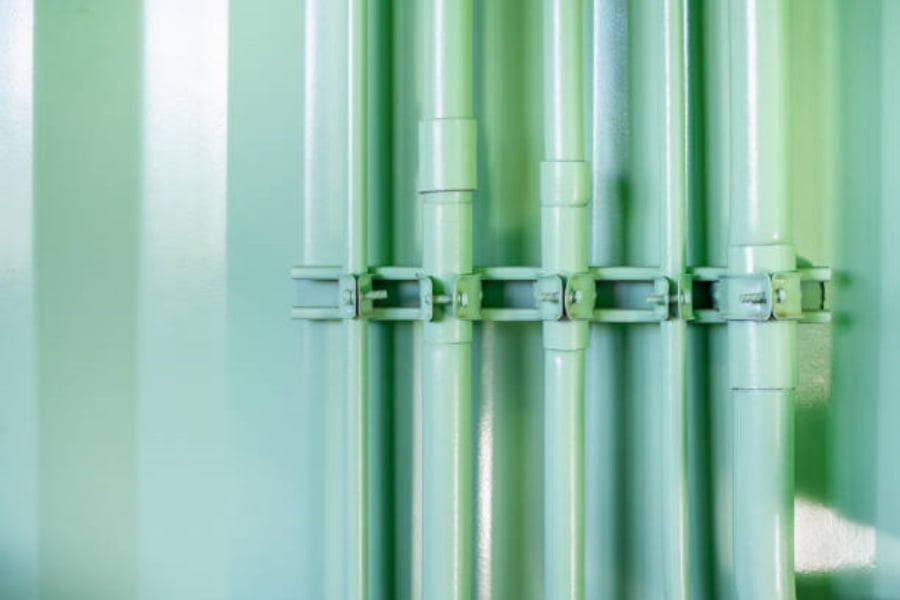
PPR hot and cold water pipes are a revolutionary choice in modern plumbing systems. Made from polypropylene random copolymer, these pipes have gained wide popularity for water supply lines due to their superior durability and thermal resistance. PPR pipes are specifically designed to handle both hot and cold water efficiently, making them a versatile option for residential and commercial plumbing applications.
Material Composition and Benefits of PPR Pipes
The core material of PPR hot and cold water pipes is polypropylene, enhanced with random copolymerization to improve flexibility and thermal performance. This composition gives PPR pipes excellent resistance to chemical damage, corrosion, and scaling. Unlike metal pipes, PPR pipes do not corrode or develop rust, ensuring a longer lifespan and cleaner water supply.
Thermal Resistance and Pressure Management
One of the key strengths of PPR hot and cold water pipes is their capacity to withstand high temperatures and pressure. These pipes are rated to handle hot water temperatures up to 95°C and pressures up to 20 bar, depending on the pipe classification. This makes them ideal for hot water distribution systems without compromising safety or performance.
Installation Process and Techniques
Installing PPR hot and cold water pipes involves heat fusion welding, which fuses the pipe and fitting together to form a uniform, leak-proof joint. This method simplifies installation, reduces chances of leakage, and requires minimal maintenance. The fusion process also ensures mechanical strength comparable to the pipe itself, which enhances durability.
Compatibility with Plumbing Systems
PPR hot and cold water pipes are highly adaptable and compatible with a wide range of plumbing fittings and accessories. They can be easily integrated with valves, connectors, and manifold systems, allowing for flexible plumbing designs. This versatility makes PPR piping a preferred choice for new installations as well as renovation projects.
Corrosion and Chemical Resistance Advantages
Unlike traditional metal pipes, PPR hot and cold water pipes do not suffer from corrosion or scale buildup. Their chemical-resistant nature guards against damage from acidic or alkaline water conditions. This resistance results in better water quality and reduces the risk of pipe failures and leaks over time.
Energy Efficiency and Heat Retention
PPR hot and cold water pipes boast excellent insulation properties, which help retain heat within hot water supply lines. This reduces heat loss during water transportation, contributing to energy savings and sustained water temperature. Improved thermal retention also lowers the need for frequent reheating in hot water systems.
Environmental Impact and Sustainability
Manufactured with eco-friendly materials, PPR hot and cold water pipes have a lower energy footprint compared to metal counterparts. They are recyclable and non-toxic, ensuring that both production and disposal stages have minimal environmental impact. Additionally, their durability reduces the frequency of replacements, further conserving resources.
Cost-Effectiveness Over Time
Though initial investment in PPR hot and cold water pipes may be slightly higher than traditional piping options, the long-term benefits such as low maintenance, durability, and reduced energy consumption make them economical. Reduced leakage risks and extended lifespan lower repair and replacement expenses, providing excellent value for users.
Common Applications and Industry Use Cases
PPR hot and cold water pipes are widely used in residential plumbing, commercial buildings, industrial plants, and HVAC systems. They are suitable for potable water distribution, heating and cooling systems, and even irrigation networks. The pipes’ ability to withstand diverse conditions makes them a universal solution for water supply infrastructure.
Quote Inquiry
contact us