Understanding SCH80 Elbows: Definition and Uses
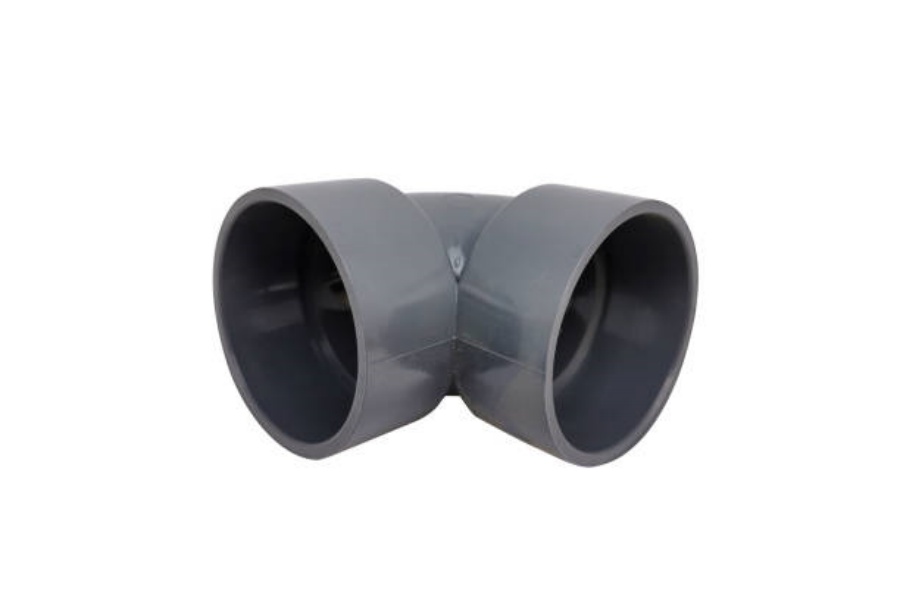
SCH80 elbows are high-strength, schedule 80 pipe fittings used to change the direction of flow in piping systems. Renowned for their thicker walls compared to Schedule 40 counterparts, SCH80 elbows provide enhanced durability and pressure resistance. These fittings are critical in industries where reliability under high pressure and temperature is mandatory, such as chemical processing and oil & gas pipelines.
Material Composition and Its Impact on Compatibility
The compatibility of SCH80 elbows largely depends on their material composition. Common materials include stainless steel, carbon steel, and PVC—all suited for different applications. Choosing a material compatible with the transported fluid and operating environment ensures corrosion resistance and longevity. For instance, stainless steel SCH80 elbows are ideal for corrosive media, while carbon steel offers robust mechanical strength for general industrial use.
Size Matching: Ensuring Correct Diameter Alignment
Accurate size matching is a fundamental aspect of SCH80 elbow compatibility. These elbows come in various diameters, typically measured in inches, and must align precisely with the connecting pipes. Misaligned diameters can cause leaks or mechanical failures. Proper measurement and adherence to standard dimensions dictated by ASME B16.9 or equivalent standards ensure a perfect fit and maintain system integrity.
Schedule Ratings: Why SCH80 Matters
The 'Schedule 80' designation refers to the wall thickness of the elbow, which is thicker than Schedule 40 and schedule 10. This thickness affects pressure rating and compatibility with certain piping systems. Engineers need to confirm that all fittings within a system conform to the same schedule rating to avoid weak points. Mixing schedule ratings can lead to inconsistent performance under pressure.
Threading Types and Their Compatibility Considerations
SCH80 elbows can come with different end connections such as threaded, socket weld, or butt weld. Threaded SCH80 elbows typically employ National Pipe Thread (NPT) standards, requiring careful selection to ensure thread compatibility with pipes and other fittings. Improper threading can result in leaks or damage during installation, so matching the thread type is crucial for system compatibility.
Pressure Ratings and Their Role in Compatibility
Pressure compatibility plays a key role in the practical use of SCH80 elbows. Given their thicker walls, SCH80 elbows can handle higher pressures than Schedule 40 fittings. Verifying that the elbow's pressure rating meets or exceeds the system requirements prevents premature failure and costly downtime. Pressure class specifications, often detailed in manufacturer datasheets, guide this crucial compatibility assessment.
Temperature Range Compatibility for SCH80 Elbows
Temperature conditions affect the performance and material selection of SCH80 elbows. Certain materials may become brittle at low temperatures or lose strength at elevated temperatures. Therefore, confirming that the SCH80 elbow material and design can withstand operating temperatures is integral to compatibility, especially in industries like petrochemical processing or HVAC systems.
Corrosion Resistance and Environmental Factors
Corrosive environments necessitate careful compatibility checks for SCH80 elbows. The selection of materials like stainless steel or specialized coatings ensures resistance against corrosion, which can compromise structural integrity. Environmental factors, including exposure to chemicals, moisture, or saltwater, must be considered in the SCH80 elbow compatibility to avoid premature degradation and maintain safety standards.
Installation Techniques Impacting Compatibility
Proper installation methods affect the compatibility and longevity of SCH80 elbows in piping systems. For example, welding techniques must align with the elbow’s material type to preserve strength and prevent leaks. Threaded fittings require correct torque and sealing methods. Ensuring adherence to best practices during installation helps maintain the compatibility of SCH80 elbows within the entire piping network.
Common Troubleshooting and Compatibility Issues
Incompatibility issues with SCH80 elbows often manifest as leaks, premature wear, or mechanical failure. Common problems include mismatched schedules, incorrect materials for the fluid type, and improper thread engagement. Addressing these issues requires a thorough review of system specifications and ensuring that every elbow used matches the design criteria and environmental constraints, as outlined in the
SCH80 Elbow Compatibility Guide.
Quote Inquiry
contact us