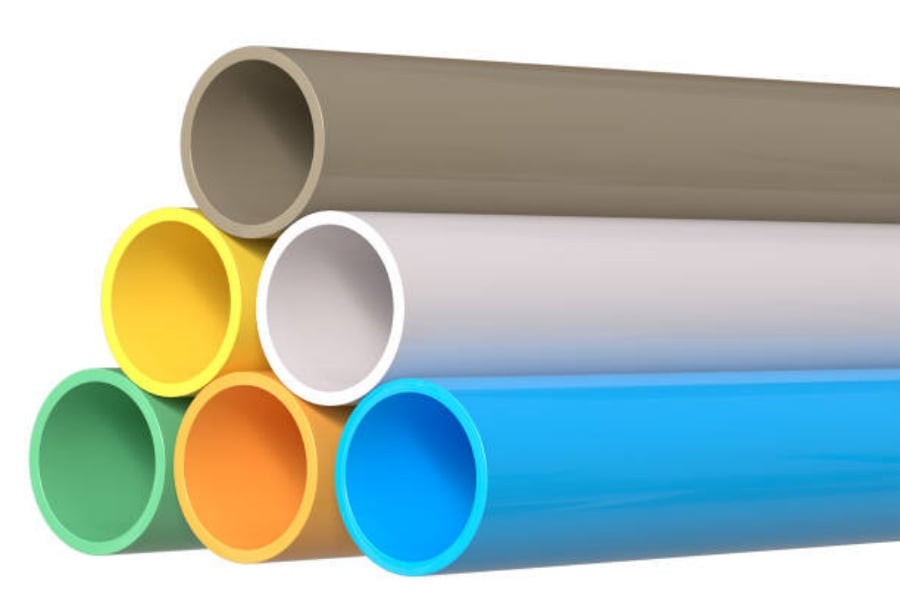
PPR plumbing pipe, or Polypropylene Random Copolymer pipe, is a versatile and high-performance piping material widely used in plumbing systems. Known for its durability and safety, PPR plumbing pipe serves as an ideal choice for both residential and commercial water supply applications. Its excellent chemical resistance and non-toxic nature make it suitable for potable water distribution.
Material Composition and Properties
PPR plumbing pipe is manufactured from a special polypropylene copolymer that exhibits superior thermal stability and mechanical strength. This material is resistant to corrosion, scaling, and chemical degradation, allowing pipes to maintain integrity under varying environmental conditions. The flexibility and impact resistance also contribute to its longevity and ease of installation.
Thermal Performance and Heat Resistance
One of the notable features of PPR plumbing pipe is its ability to withstand high temperatures. Typically rated for continuous use up to 95°C and short bursts up to 110°C, PPR pipes are ideal for hot water plumbing systems. Their low thermal conductivity ensures minimal heat loss, promoting energy efficiency in heat distribution applications.
Durability and Longevity
Due to its robust material composition, PPR plumbing pipe offers exceptional durability with an expected lifespan exceeding 50 years under standard conditions. The pipe’s resistance to corrosion and scaling prevents blockages and reduces maintenance costs over time. This longevity makes it a cost-effective solution for long-term plumbing installations.
Health and Safety Advantages
PPR plumbing pipe is certified as safe for potable water use due to its inert nature, which prevents the leaching of harmful chemicals. Unlike metal pipes, PPR pipes are not susceptible to rust or bacterial growth, ensuring a clean water supply. This makes it a preferred option in healthcare facilities and residential water systems where hygiene is paramount.
Ease of Installation
The lightweight nature of PPR plumbing pipe simplifies handling and transportation. Its fusion welding technique, which creates strong, leak-proof joints through heat fusion, reduces the need for additional fittings and adhesives. This results in faster installation times and reliable pipe connections, minimizing the risk of leaks.
Environmental Impact
PPR plumbing pipe is environmentally friendly due to its recyclability and low carbon footprint during manufacturing. The longevity of these pipes contributes to waste reduction, while the energy efficiency in water heating and distribution supports sustainable building practices. Using PPR pipes aligns with green construction norms and regulations.
Applications in Residential and Commercial Plumbing
PPR plumbing pipe finds extensive use in hot and cold water supply lines, radiator connections, and underfloor heating. Its chemical resistance also makes it suitable for industrial applications where slightly aggressive liquids are conveyed. The pipe’s versatility accommodates a range of plumbing demands across different building types.
Cost-Effectiveness Compared to Traditional Pipes
When compared to metal pipes such as copper or galvanized steel, PPR plumbing pipe provides significant savings in both material and labor costs. Its resistance to corrosion eliminates the need for frequent replacements or repairs. Additionally, reduced thermal losses in hot water systems translate to lower energy bills over the pipe’s lifespan.
Maintenance and Repair Considerations
Maintaining PPR plumbing pipes is relatively hassle-free due to their high chemical and physical resistance. Routine inspections for physical damage are sufficient as the pipe material itself does not degrade easily. In cases of damage, the fusion welding process allows for efficient spot repairs, avoiding the need for entire pipe section replacement.
Quote Inquiry
contact us