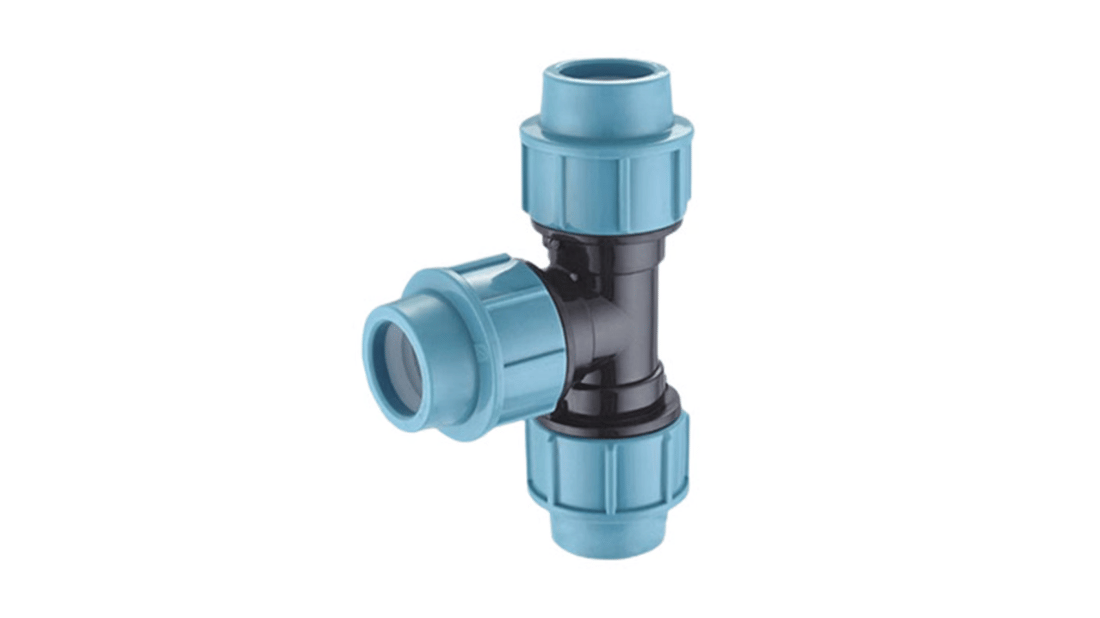
Introduction to PP Tee and Its Role in Piping
PP Tee, short for polypropylene tee, is a crucial pipe fitting used extensively in plumbing and piping systems. It allows for the connection of three pipe sections, enabling the flow of fluids in various directions. Renowned for its durability and chemical resistance, PP Tee fittings are fundamental in industrial, commercial, and residential applications. Their design supports efficient fluid distribution, making them an indispensable component in modern piping networks.
Material Properties of PP Tee
Made from polypropylene, PP Tee fittings offer excellent resistance to corrosion, chemicals, and high temperatures. Polypropylene is a thermoplastic polymer known for its lightweight nature and robustness. This material prevents the buildup of deposits inside pipes and provides longevity even in harsh environments. Due to its non-toxic nature, PP Tee is also suitable for potable water systems, ensuring safety and compliance with health standards.
Types and Designs of PP Tee Fittings
PP Tee fittings come in various designs tailored to specific piping needs. These include equal tees, where all openings are the same size, and reducing tees, which connect pipes of different diameters. Variations such as socket weld and butt weld PP Tees cater to different joining techniques, expanding their adaptability. This diversity allows engineers and plumbers to select the appropriate fitting based on system requirements and flow direction.
Applications of PP Tee in Industrial Piping
In industrial contexts, PP Tee fittings are favored for handling aggressive chemicals, acids, and alkalis due to their superior chemical resistance. Industries such as pharmaceuticals, food processing, and wastewater treatment commonly use PP Tees for safe and reliable fluid conveyance. Their resistance to scaling and ease of maintenance contribute to reduced operational downtime and enhanced system efficiency.
PP Tee in Residential and Commercial Plumbing
PP Tee fittings play a vital role in residential and commercial plumbing for water distribution and drainage systems. Their lightweight and easy-to-install nature reduce labor costs and installation time. Furthermore, PP Tee’s resistance to impact and cracking ensures longevity under varying pressure conditions experienced in buildings, making them ideal for HVAC systems, waste lines, and potable water supplies.
Installation Techniques for PP Tee
Proper installation of PP Tee involves techniques such as solvent welding, heat fusion, or mechanical jointing. Each method ensures a strong, leak-proof connection tailored to specific system needs. Heat fusion welding, in particular, creates a homogenous bond between pipes and fittings, enhancing the strength and durability of the joint. Following manufacturer guidelines during installation is key to achieving optimal performance.
Advantages of Using PP Tee in Piping Systems
Using PP Tee provides numerous advantages, including resistance to chemical corrosion, low weight, and high mechanical strength. Unlike metal fittings, PP Tees do not corrode or rust, ensuring longer service life. Additionally, its thermal insulation properties reduce condensation and energy loss in piping. These factors contribute to reduced maintenance costs and increased safety in fluid transport systems.
Environmental Impact and Sustainability of PP Tee
Polypropylene, the material in PP Tee fittings, is recyclable and contributes less environmental impact compared to metals. The manufacturing process consumes fewer resources and generates lower emissions. Additionally, PP Tee’s durability reduces replacement frequency, minimizing waste. Sustainable waste management practices and recycling options further enhance the environmental benefits of incorporating PP Tee in piping projects.
Common Challenges and Solutions with PP Tee
While PP Tee is highly reliable, challenges such as incorrect installation or exposure to temperatures beyond recommended limits can affect performance. Warping or joint failure may occur if heat fusion is improperly applied. Addressing these issues requires adherence to installation standards, proper training for technicians, and selecting the correct PP Tee type for the application’s operating conditions to ensure longevity.
Future Trends and Innovations in PP Tee Technology
Advancements in polymer science and fabrication technologies are driving innovations in PP Tee design, such as enhanced chemical resistance and integration with smart monitoring systems. Development of antimicrobial coatings and improved jointing mechanisms contributes to safer and more reliable piping networks. As sustainability becomes a priority, biodegradable additives and higher recycled content in PP Tee manufacturing are also emerging trends in the industry.
Quote Inquiry
contact us