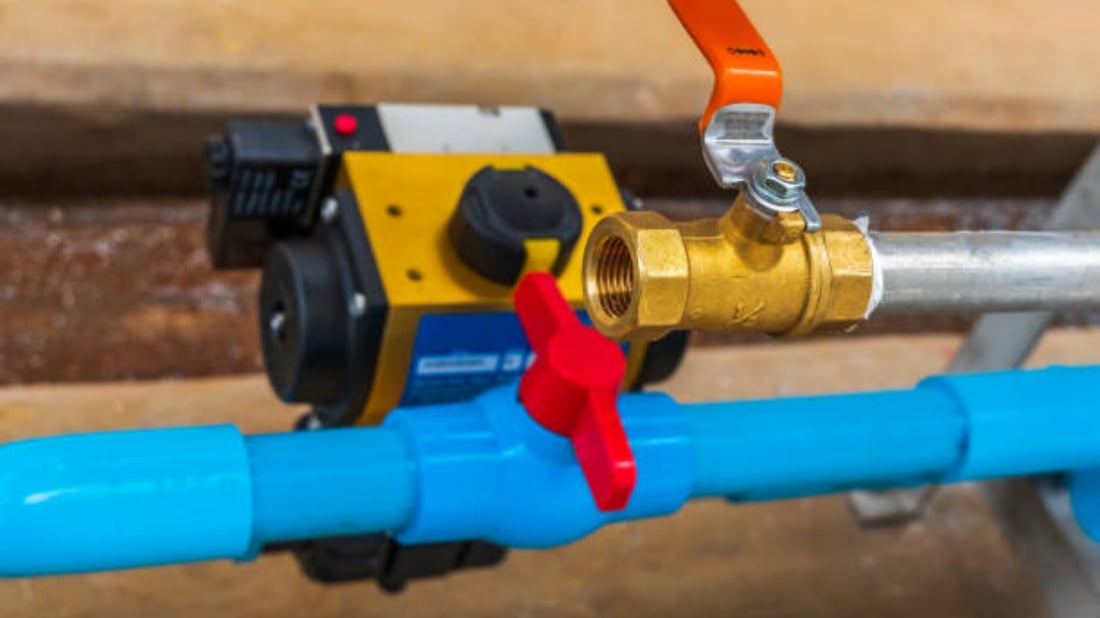
True union ball valves are specialized valves designed to provide a secure, leak-proof seal in piping systems while allowing convenient disassembly and maintenance. Their "true union" structure allows the valve body to be completely removed without disturbing the connected pipes, making them highly valued in both industrial and commercial fluid control applications. These valves offer a combination of reliable performance and user-friendly operation.
Design and Construction of True Union Ball Valves
The defining feature of a true union ball valve is its split body design coupled with union connections. Typically made from durable materials such as stainless steel, brass, or PVC, the valve integrates a spherical ball with a port through the middle that regulates flow. The union ends enable easy installation and removal, simplifying system maintenance. The robust construction ensures excellent pressure resistance and longevity under various operating conditions.
Operational Mechanism and Flow Control
True union ball valves operate by rotating the ball inside the valve body, typically using a lever or actuator, to regulate the flow of liquids or gases. When the ball's bore is aligned with the pipeline, flow is permitted; when turned 90 degrees, the flow is blocked completely. This quarter-turn operation provides fast and reliable on/off control with minimal pressure drop, making true union ball valves highly efficient for precise flow regulation.
Applications in Industrial Settings
These valves are commonly used across diverse industries such as chemical processing, water treatment, pharmaceuticals, and food and beverage. The ability to quickly disconnect and replace the valve makes true union ball valves ideal for systems requiring frequent inspection or maintenance. Their compatibility with corrosive fluids and high tolerance for temperature and pressure variations also broaden their industrial applicability.
Advantages Over Conventional Ball Valves
Compared to standard ball valves, true union ball valves offer significant advantages in ease of maintenance and installation. The union ends eliminate the need to cut pipelines when servicing or replacing valves. Additionally, these valves often feature improved sealing technologies such as reinforced seats and stem packing to minimize leakages, enhancing system safety and reliability.
Material Variations and Their Impact
True union ball valves are available in a range of materials selected to suit specific operational environments. For instance, brass and stainless steel models resist corrosion and are suitable for high-pressure systems, while PVC and CPVC versions resist chemical degradation in low-pressure applications. Choosing the correct material ensures optimal valve lifespan and prevents contamination in sensitive processes.
Maintenance and Longevity Considerations
Routine maintenance of true union ball valves is streamlined by their union design, which enables quick disassembly without displacing pipework. Regular inspection of seats, seals, and the ball surface is crucial to prevent wear that could affect sealing performance. Proper upkeep extends valve life, supports uninterrupted system operation, and reduces overall maintenance costs.
Installation Best Practices
When installing true union ball valves, ensuring proper alignment and tightening of union fittings is essential to prevent leaks. Additionally, valve orientation should facilitate easy access for operation and maintenance. Adequate support must be provided to avoid undue stress on union joints. Following manufacturer guidelines and industry standards guarantees optimal valve performance and safety.
Environmental and Safety Benefits
True union ball valves contribute to environmental safety by minimizing leaks and spills through precise sealing, which is especially important when handling hazardous fluids. Their ability to be removed without dismantling the pipeline reduces environmental disruption and exposure risk during maintenance. These valves support compliance with stringent environmental regulations in industrial operations.
Future Trends and Innovations
Advancements in materials, sealing technology, and actuator integration continue to evolve true union ball valves. Innovations like smart actuators enable remote operation and condition monitoring, enhancing system automation. Moreover, eco-friendly designs focus on reducing the valve's carbon footprint and supporting sustainable industry practices. These trends are expanding the applications and capabilities of true union ball valves in modern fluid control.
Quote Inquiry
contact us