Categories

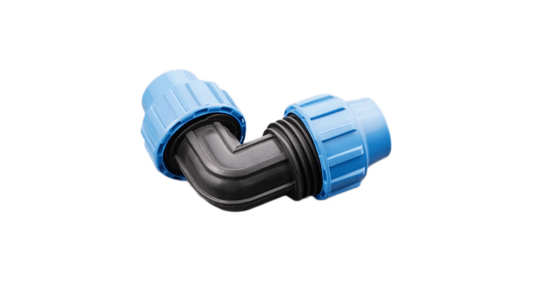
Comprehensive Guide to PP 90Deg Elbow: Applications, Benefits, and Installation
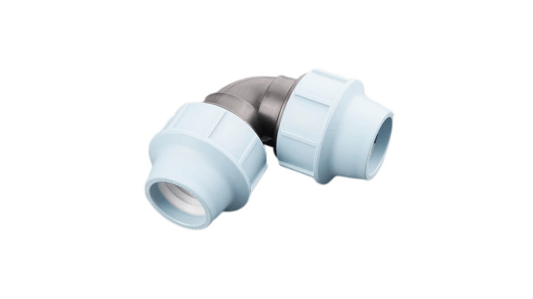
Understanding the PP 90Deg Elbow: An Essential Piping Component The PP 90Deg Elbow is a crucial element in piping systems designed to enable a 90-degree change in direction of fluid flow. Made from polypropylene (PP), this elbow fitting is widely favored for its chemical resistance, durability, and lightweight construction. It seamlessly connects pipes, ensuring smooth transitions between sections without compromising the integrity of the system.Material Advantages of Polypropylene in PP 90Deg Elbow Polypropylene is the base material for the PP 90Deg Elbow, offering outstanding resistance to corrosion, acids, alkalis, and various chemicals. This property makes it highly suitable for industrial applications, where metal alternatives might degrade over time. Additionally, polypropylene’s low thermal conductivity helps maintain temperature stability in piping systems.Typical Applications of PP 90Deg Elbow in Industries PP 90Deg Elbow fittings are widely used across multiple industries, including chemical processing, water treatment, food and beverage manufacturing, and agricultural irrigation. Their resistance to harsh substances combined with easy installation makes them ideal for handling liquid and gas transport in complex piping networks.Design Features and Specifications of a PP 90Deg Elbow The PP 90Deg Elbow typically features smooth internal surfaces to reduce fluid resistance and turbulence. It conforms to international standards such as ISO and ASTM for piping components. These elbows are available in various sizes and pressure ratings, adapting to diverse pipeline requirements without compromising performance.Installation Techniques for PP 90Deg Elbow Fittings Installing a PP 90Deg Elbow requires precision to prevent leaks and ensure long-term durability. Methods such as solvent welding or heat fusion are commonly used to join the elbow to polypropylene pipes. Proper surface preparation and adherence to manufacturer guidelines are critical to achieve a secure, leak-proof connection.Benefits of Using PP 90Deg Elbow in Plumbing Systems The PP 90Deg Elbow offers multiple advantages including lightweight construction for easy handling, excellent chemical resistance, low maintenance costs, and longevity under challenging environmental conditions. This makes it preferable over metal elbows, especially in corrosive or chemically aggressive environments.Comparative Analysis: PP 90Deg Elbow vs. Metal Elbows Compared to metal elbows like stainless steel or copper, PP 90Deg Elbows are more cost-effective and do not suffer from rust or corrosion. They are also easier to install due to their lightweight nature. However, metal elbows might outperform in extremely high-temperature conditions, making material choice important based on application requirements.Maintenance and Longevity of PP 90Deg Elbow Fittings PP 90Deg Elbows require minimal maintenance owing to their chemical resistance and inert properties. Routine inspections for signs of wear or deformation suffice to ensure optimal functioning. When properly installed, these elbows can last decades, reducing replacement frequency and associated downtime.Environmental Impact and Sustainability of Polypropylene Elbows PP 90Deg Elbows contribute to sustainable piping by being recyclable and energy efficient in production. Polypropylene’s lower carbon footprint in manufacturing compared to metals helps industries meet environmental goals while maintaining pipeline integrity. Furthermore, the long lifespan of these elbows minimizes waste generation.Emerging Trends and Innovations in PP 90Deg Elbow Technology Advancements in polymer blending and manufacturing techniques have enhanced the performance of PP 90Deg Elbows. Innovations such as UV-resistant coatings and reinforced composite structures are improving durability in outdoor or harsh chemical environments. These developments promise increased reliability and broader application scope.Quote Inquirycontact us
READ MORE
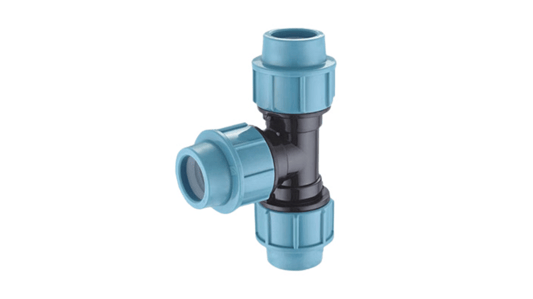
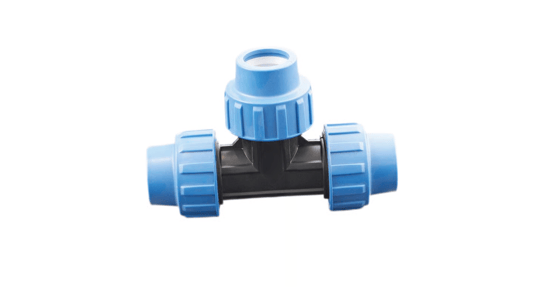
Understanding PP Tee: Versatile Solutions for Piping Systems
Introduction to PP Tee and Its Role in Piping PP Tee, short for polypropylene tee, is a crucial pipe fitting used extensively in plumbing and piping systems. It allows for the connection of three pipe sections, enabling the flow of fluids in various directions. Renowned for its durability and chemical resistance, PP Tee fittings are fundamental in industrial, commercial, and residential applications. Their design supports efficient fluid distribution, making them an indispensable component in modern piping networks. Material Properties of PP Tee Made from polypropylene, PP Tee fittings offer excellent resistance to corrosion, chemicals, and high temperatures. Polypropylene is a thermoplastic polymer known for its lightweight nature and robustness. This material prevents the buildup of deposits inside pipes and provides longevity even in harsh environments. Due to its non-toxic nature, PP Tee is also suitable for potable water systems, ensuring safety and compliance with health standards. Types and Designs of PP Tee Fittings PP Tee fittings come in various designs tailored to specific piping needs. These include equal tees, where all openings are the same size, and reducing tees, which connect pipes of different diameters. Variations such as socket weld and butt weld PP Tees cater to different joining techniques, expanding their adaptability. This diversity allows engineers and plumbers to select the appropriate fitting based on system requirements and flow direction. Applications of PP Tee in Industrial Piping In industrial contexts, PP Tee fittings are favored for handling aggressive chemicals, acids, and alkalis due to their superior chemical resistance. Industries such as pharmaceuticals, food processing, and wastewater treatment commonly use PP Tees for safe and reliable fluid conveyance. Their resistance to scaling and ease of maintenance contribute to reduced operational downtime and enhanced system efficiency. PP Tee in Residential and Commercial Plumbing PP Tee fittings play a vital role in residential and commercial plumbing for water distribution and drainage systems. Their lightweight and easy-to-install nature reduce labor costs and installation time. Furthermore, PP Tee’s resistance to impact and cracking ensures longevity under varying pressure conditions experienced in buildings, making them ideal for HVAC systems, waste lines, and potable water supplies. Installation Techniques for PP Tee Proper installation of PP Tee involves techniques such as solvent welding, heat fusion, or mechanical jointing. Each method ensures a strong, leak-proof connection tailored to specific system needs. Heat fusion welding, in particular, creates a homogenous bond between pipes and fittings, enhancing the strength and durability of the joint. Following manufacturer guidelines during installation is key to achieving optimal performance. Advantages of Using PP Tee in Piping Systems Using PP Tee provides numerous advantages, including resistance to chemical corrosion, low weight, and high mechanical strength. Unlike metal fittings, PP Tees do not corrode or rust, ensuring longer service life. Additionally, its thermal insulation properties reduce condensation and energy loss in piping. These factors contribute to reduced maintenance costs and increased safety in fluid transport systems. Environmental Impact and Sustainability of PP Tee Polypropylene, the material in PP Tee fittings, is recyclable and contributes less environmental impact compared to metals. The manufacturing process consumes fewer resources and generates lower emissions. Additionally, PP Tee’s durability reduces replacement frequency, minimizing waste. Sustainable waste management practices and recycling options further enhance the environmental benefits of incorporating PP Tee in piping projects. Common Challenges and Solutions with PP Tee While PP Tee is highly reliable, challenges such as incorrect installation or exposure to temperatures beyond recommended limits can affect performance. Warping or joint failure may occur if heat fusion is improperly applied. Addressing these issues requires adherence to installation standards, proper training for technicians, and selecting the correct PP Tee type for the application’s operating conditions to ensure longevity. Future Trends and Innovations in PP Tee Technology Advancements in polymer science and fabrication technologies are driving innovations in PP Tee design, such as enhanced chemical resistance and integration with smart monitoring systems. Development of antimicrobial coatings and improved jointing mechanisms contributes to safer and more reliable piping networks. As sustainability becomes a priority, biodegradable additives and higher recycled content in PP Tee manufacturing are also emerging trends in the industry. Quote Inquirycontact us
READ MORE
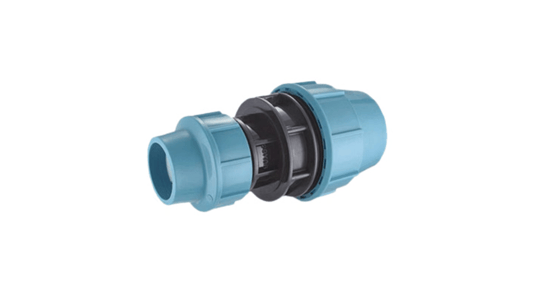
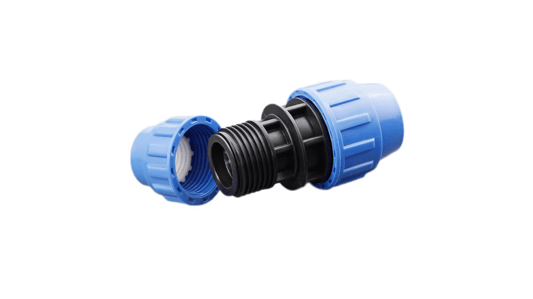
Comprehensive Guide to PP Reducing Coupling: Applications, Benefits, and Selection
Understanding PP Reducing Coupling: Definition and Purpose PP Reducing Coupling is a type of pipe fitting designed to connect two pipes of different diameters, ensuring seamless flow and system integrity. Made from polypropylene (PP), this coupling offers excellent chemical resistance, durability, and flexibility. Its primary purpose is to facilitate transitions between various pipe sizes without compromising the structural or functional aspects of the piping system. This essential component is widely used in industrial, agricultural, and residential plumbing applications.Material Advantages of PP in Reducing Coupling The choice of polypropylene as the material for reducing couplings delivers several benefits. PP is known for its lightweight characteristics, high resistance to corrosion and chemical degradation, and excellent mechanical strength. These properties make PP Reducing Couplings ideal for harsh environments where metal fittings might fail due to rust or chemical exposure. Moreover, polypropylene fittings provide long-lasting performance with minimal maintenance.Applications of PP Reducing Coupling in Plumbing Systems PP Reducing Couplings are extensively utilized in a variety of plumbing systems including water supply networks, irrigation channels, and wastewater treatment facilities. Their ability to handle different pipe diameters aids in customized system designs, enabling engineers and technicians to optimize flow rates and pressure conditions. The compatibility of PP reducing couplings with both cold and hot water systems further expands their usability.Installation Techniques for PP Reducing Coupling Installing a PP Reducing Coupling requires precision and adherence to best practices to maintain system integrity. Common installation methods include socket welding and mechanical jointing, with socket welding being preferred due to its leak-proof sealing qualities. Proper sizing, alignment, and use of compatible tools ensure a reliable and durable connection between dissimilar pipe sizes.Impact of PP Reducing Coupling on System Efficiency Incorporating PP Reducing Couplings into pipeline systems directly influences operational efficiency. By providing a smooth transition between pipes of different diameters, these couplings reduce turbulence and potential flow disruptions. This, in turn, minimizes energy loss and maintains consistent pressure levels, critical factors in industrial processes and water distribution systems.Economic Benefits of Using PP Reducing Coupling PP Reducing Couplings offer cost-effective solutions over traditional metal fittings. Their lower material and manufacturing costs, combined with reduced installation time and maintenance expenses, contribute to overall project savings. Additionally, the extended lifespan of polypropylene reduces the frequency of replacements, further enhancing economic value for end-users.Environmental Impact and Sustainability of PP Reducing Coupling Polypropylene is a recyclable material, and many PP Reducing Couplings are produced with sustainability in mind. Utilizing these couplings helps reduce reliance on metals that require energy-intensive extraction and processing. Moreover, the durability and long functional life reduce waste, supporting eco-friendly plumbing and piping systems aligned with environmental regulations.Common Challenges and Troubleshooting PP Reducing Coupling Despite the advantages, users might encounter challenges such as improper sealing or size mismatch when using PP Reducing Couplings. Troubleshooting involves ensuring correct coupling size selection, proper surface preparation before welding, and verifying compatibility with pipe materials and fluids. Adhering to installation guidelines helps mitigate common issues and prolong coupling performance.Comparing PP Reducing Couplings with Alternative Materials When compared to metal or PVC reducing couplings, PP Reducing Couplings stand out due to their superior chemical resistance and flexibility. While metal couplings may be more robust in high-temperature environments, PP couplings excel in corrosive chemical settings and are easier to handle due to their lighter weight. The choice depends on application requirements, fluid types, and environmental factors.Future Trends and Innovations in PP Reducing Coupling Design Advancements in polymer technology are continuously enhancing the capabilities of PP Reducing Couplings. Innovations include improved UV resistance, reinforced polypropylene composites for increased pressure tolerance, and smart coupling designs featuring integrated sensors for monitoring flow and leakage. These developments promise to expand the applicability and reliability of PP Reducing Couplings across industries.Quote Inquirycontact us
READ MORE
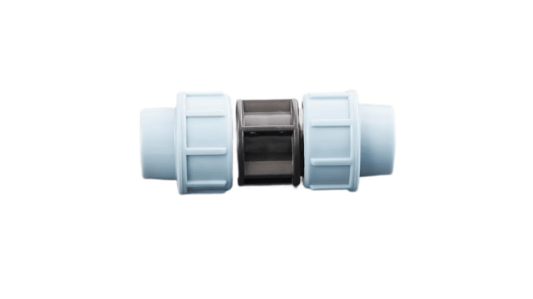
Comprehensive Guide to PP Coupling: Applications, Benefits, and Types
Introduction to PP Coupling and Its Significance PP Coupling, short for polypropylene coupling, refers to the process or system that connects polypropylene components or materials in various industrial applications. Its significance lies in the versatility and durability of polypropylene as a thermoplastic polymer, widely used in manufacturing, automotive, piping, and packaging industries. Understanding PP Coupling is essential for optimizing product performance and ensuring longevity across diverse sectors.Material Properties That Influence PP Coupling Polypropylene's unique properties, including chemical resistance, low density, and high impact strength, make PP Coupling a preferred choice in many applications. These material characteristics directly impact the coupling’s efficiency by providing resistance to corrosion, flexibility under stress, and compatibility with other polymers or materials. Engineers utilize PP Coupling to leverage these advantages to create durable and lightweight connections.Types of PP Coupling Techniques Multiple techniques are employed for PP Coupling, such as mechanical fastening, chemical bonding, and thermal welding. Each method has distinct benefits depending on the application requirements. Mechanical fastening offers ease of assembly and disassembly, chemical bonding ensures a permanent seal, while thermal welding provides uniform strength by melting and fusing polypropylene surfaces. Selecting the optimal method enhances performance reliability.Applications of PP Coupling in Industrial Piping Systems One of the prominent uses of PP Coupling is in piping systems, especially in chemical processing and water treatment plants. Polypropylene’s resistance to acids and alkalis makes it ideal for coupling pipes transporting hazardous substances. PP Coupling systems ensure leak-proof joints, reduce maintenance costs, and comply with environmental safety standards, demonstrating their critical role in industrial infrastructure.PP Coupling in Automotive Industry: Lightweight and Durable Solutions In the automotive sector, PP Coupling is widely applied due to polypropylene’s lightweight and impact-resistant properties. Components such as fuel lines, air intake systems, and interior assemblies often utilize PP Coupling to enhance fuel efficiency and durability. This coupling method helps manufacturers meet stringent regulatory requirements while ensuring cost-effective production.Environmental Benefits of Using PP Coupling PP Coupling contributes to environmental sustainability through recyclability and reduced material waste. Polypropylene is a recyclable polymer, and coupling methods like thermal welding produce minimal offcuts, optimizing resource use. Additionally, the long service life of PP Coupling connections reduces the frequency of replacements, ultimately minimizing environmental impact and supporting green manufacturing practices.Challenges in PP Coupling and How to Overcome Them Despite its advantages, PP Coupling presents challenges such as sensitivity to UV degradation and thermal expansion issues. Selecting UV-stabilized polypropylene grades or incorporating additives can mitigate weathering effects. Proper design allowances and assembly techniques accommodate thermal expansion, ensuring reliable joints. Addressing these challenges maintains the integrity and functionality of PP Coupling systems.Advancements in PP Coupling Technologies Recent innovations include enhanced thermal welding equipment, improved adhesives for chemical bonding, and the development of hybrid coupling systems combining mechanical and chemical techniques. These advancements increase the efficiency, strength, and versatility of PP Coupling, expanding its use into more demanding industrial applications that require higher performance and precision.Cost Efficiency and Economic Considerations of PP Coupling PP Coupling offers notable cost advantages due to polypropylene’s low raw material cost, ease of installation, and reduced maintenance needs. Compared to metal couplings, PP Coupling reduces labor and energy expenses, making it attractive for large-scale projects. Additionally, long-term durability lessens the risk of downtime and repairs, providing financial benefits to end-users and manufacturers alike.Future Trends and Potential Developments in PP Coupling The future of PP Coupling points toward smart coupling systems integrated with sensors for monitoring structural health, enabling predictive maintenance. Biopolymer-based polypropylene variants may also emerge to further improve environmental sustainability. Expanding the use of automation in PP Coupling fabrication and installation promises higher precision and efficiency, catering to evolving industrial demands.Quote Inquirycontact us
READ MORE
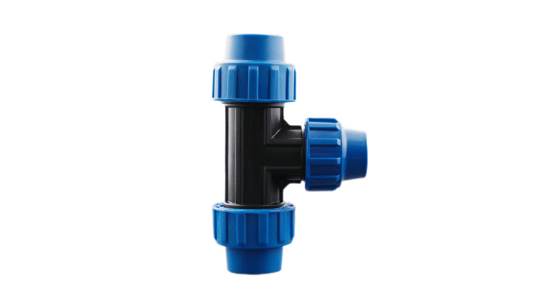
Comprehensive Guide to PP Compression Equal Tee: Applications and Benefits
Introduction to PP Compression Equal Tee A PP Compression Equal Tee is a specialized fitting used in piping systems to connect three sections of pipe of equal diameter. Made from polypropylene (PP), this component is designed primarily for pressure-tight connections, which makes it ideal for various fluid transport applications. The "equal tee" indicates that all three outlets feature the same diameter, facilitating a T-shaped junction with uniform flow distribution. Material Properties of Polypropylene in Compression Equal Tees Polypropylene is a thermoplastic polymer known for its chemical resistance, durability, and lightweight characteristics. In PP Compression Equal Tees, the polypropylene material offers excellent resistance to corrosion, stress, and various chemicals, thereby extending the lifespan of piping systems. This makes it particularly suitable for harsh industrial and environmental conditions. Manufacturing Process and Quality Standards PP Compression Equal Tees are manufactured through processes such as injection molding or extrusion followed by compression fitting assembly. The production adheres to stringent quality standards like ISO and ASTM to ensure durability and reliability under varying pressures and temperatures. Quality control practices focus on dimensional accuracy and material integrity for consistent performance. Working Principle of Compression Fittings in Equal Tees Compression fittings work by mechanically compressing a gasket or ring against the pipe surface to create a leak-proof seal. In the context of PP Compression Equal Tees, the compression mechanism secures the tee to pipes without the need for welding or solvents. This allows for easy installation, disassembly, and maintenance, especially in environments requiring quick connection changes. Applications in Industrial Piping Systems PP Compression Equal Tees are widely used in industrial settings like chemical processing, water treatment, and food industry plants. Their chemical resistance and pressure-handling capability make them ideal for conveying acids, alkalis, and potable water. Equal tees help create branching pipelines where uniform flow rates are essential, improving system efficiency. Advantages Over Other Pipe Joint Types Compared to solvent-welded or threaded fittings, PP Compression Equal Tees offer enhanced flexibility and easier maintenance. The compression fitting eliminates the need for specialized tools and reduces installation time. Moreover, the equal tee design ensures consistent flow and pressure distribution across all three pipe sections, minimizing turbulence and wear. Pressure and Temperature Ratings PP Compression Equal Tees are engineered to operate under specific pressure and temperature ranges, typically up to 10 bar (145 psi) and temperatures up to 60°C (140°F). These ratings make them suitable for many low to medium pressure applications, balancing durability with cost-effectiveness in piping installations. Installation Procedures and Best Practices Installing a PP Compression Equal Tee requires cleaning pipe ends, inserting them into the tee fitting, and tightening compression nuts to create a secure seal. It is important to follow manufacturer guidelines on tightening torque and pipe alignment to prevent leaks or damage. Proper installation ensures long service life and reduces the likelihood of system failures. Maintenance and Troubleshooting Tips Regular inspection of PP Compression Equal Tees can detect early signs of wear, leakage, or mechanical damage. Tightening loose fittings and replacing worn gaskets can prevent failures. Troubleshooting common issues such as leaks involves checking for debris inside the fitting or improperly aligned pipes. Preventative maintenance extends the functional life of the entire piping network. Environmental Benefits and Sustainability Polypropylene’s recyclability and chemical stability contribute to environmental sustainability when utilizing PP Compression Equal Tees. These fittings reduce the need for solvent-based adhesives, minimizing volatile organic compound emissions during installation. Additionally, the long service life and low maintenance requirements reduce waste generation and promote eco-friendly pipeline management. Quote Inquirycontact us
READ MORE
Comprehensive Guide to PP Compression Male 90Deg Elbow: Uses, Benefits, and Applications
Introduction to PP Compression Male 90Deg Elbow The PP Compression Male 90Deg Elbow is a crucial fitting used in pipeline and plumbing systems to facilitate a 90-degree directional change. Made from polypropylene (PP), this elbow is designed to connect pipes efficiently, ensuring a secure and leak-proof joint. Its male end allows easy insertion into compatible fittings or pipes. The PP Compression Male 90Deg Elbow is fundamental in residential, commercial, and industrial applications where durable plastic piping solutions are required. Material Advantages of Polypropylene in Compression Elbows Polypropylene (PP) offers numerous benefits as the material for compression elbows. PP is highly resistant to chemical corrosion, making it suitable for water, chemical, and industrial pipelines. Its lightweight nature simplifies installation and reduces transportation costs. The PP Compression Male 90Deg Elbow also offers excellent impact resistance and tensile strength, ensuring the elbow withstands harsh operating conditions without deformation or failure. Design and Construction Features The PP Compression Male 90Deg Elbow features a robust, precision-engineered design that facilitates easy installation. The male end provides a straightforward connection to female fittings, while the compression side employs a gasket and nut mechanism that tightly secures the pipe, preventing leaks. This design eliminates the need for solvent welding or threading, enhancing project speed and flexibility. The 90-degree angle is crafted to maintain smooth flow dynamics and minimize pressure losses. Installation Benefits and Techniques One of the key benefits of the PP Compression Male 90Deg Elbow is its user-friendly installation process. Unlike traditional elbows requiring glue or expensive threading equipment, this elbow uses a compression mechanism that allows quick assembly and disassembly. Installers only need to ensure the pipe is clean, cut squarely, and insert it fully before tightening the compression nut. This makes it a preferred choice for both new installations and repairs. Applications Across Different Sectors The versatility of the PP Compression Male 90Deg Elbow is evident across multiple sectors. In residential plumbing, it connects water lines efficiently. In agriculture, it is widely used in irrigation systems to redirect water flow. Industrial applications include chemical processing plants and wastewater treatment facilities, where resistance to corrosive fluids is essential. Its adaptability to different piping systems, such as PE and PVC, further extends its utility. Durability and Chemical Resistance Polypropylene's inherent chemical resistance ensures the PP Compression Male 90Deg Elbow maintains its integrity against acids, alkalis, salts, and various solvents. This durability prolongs the lifespan of the pipeline system, reducing maintenance costs. The fitting also resists biofilm formation, making it suitable for potable water systems. Its resistance to thermal and UV degradation further elevates its durability in both indoor and outdoor installations. Environmental and Cost-Effectiveness From an environmental perspective, polypropylene fittings like the PP Compression Male 90Deg Elbow are recyclable and less energy-intensive to manufacture compared to metal alternatives. This contributes to sustainable building practices. Additionally, the cost-effectiveness of PP compression fittings, given their ease of installation, minimal maintenance, and longevity, offers significant savings over time. This makes them an economical yet reliable option for piping systems. Compatibility with Different Pipe Types The PP Compression Male 90Deg Elbow is designed to be compatible with a variety of pipe materials, including polyethylene (PE), polyvinyl chloride (PVC), and other plastic pipes. The compression fitting system accommodates slight variations in pipe dimensions, providing a secure seal. This multi-compatibility makes it highly versatile, enabling seamless integration in mixed-material pipeline systems without leaking risks. Maintenance and Leak Prevention Strategies Maintenance for the PP Compression Male 90Deg Elbow is minimal due to its secure sealing mechanism. Periodic inspection ensures the compression nut remains tight and that the gasket is in good condition. Because of its design, leaks are rare but if detected, the elbow can be quickly replaced or tightened without dismantling large portions of the piping. This ease of maintenance reduces downtime, especially critical in industrial settings. Future Trends and Innovations Ongoing innovations in polymer technology and fitting design are poised to enhance the performance of PP Compression Male 90Deg Elbow fittings further. Developments include improved gasket materials for higher pressure resistance, advanced polypropylene blends with better UV and temperature tolerance, and modular designs that simplify complex pipeline assemblies. These improvements will broaden the application scope and efficiency of these essential pipe fittings. Quote Inquirycontact us
READ MORE
Comprehensive Guide to PP Compression Reducers: Applications, Benefits, and Installation
Understanding PP Compression Reducers: Definition and PurposePP Compression Reducers are specialized fittings designed to connect polyethylene pipes of different diameters securely. Made from polypropylene (PP), these reducers allow seamless transition between pipes, ensuring system efficiency and reliability. Their primary purpose is to reduce pipe size in fluid transport systems while maintaining pressure integrity and preventing leaks.Material Advantages: Why Polypropylene is Ideal for Compression ReducersPolypropylene used in PP Compression Reducers offers exceptional chemical resistance, durability, and lightweight properties. Unlike metal counterparts, PP fittings resist corrosion, UV damage, and chemical degradation, making them ideal for diverse applications such as water supply, irrigation, and chemical processing. The polymer’s flexibility also eases installation and extends service life.Design Features and Mechanism of Compression FittingsThe compression mechanism in PP Compression Reducers involves a tight seal created by compressing a gasket around the pipe surface. This design eliminates the need for welding or threading, reducing installation time and cost. The fitting typically includes a nut, olive (compression ring), and body, ensuring a strong mechanical bond and leak-tight connection between pipe sections of varying diameters.Applications Across Industries and SystemsPP Compression Reducers are widely used in plumbing, irrigation systems, chemical plants, and industrial fluid networks. Their versatility allows for smooth diameter transitions in water pipelines, agricultural drip systems, and even in HVAC installations for efficient fluid management. The non-toxic nature of PP makes these reducers safe for potable water systems as well.Installation Best Practices for PP Compression ReducersProper installation is critical for optimal performance of PP Compression Reducers. Pipes must be cut cleanly and squarely; the fitting components should be free of dirt and debris. Tightening the compression nut requires care to avoid over-compression which could damage the gasket or pipe. Following manufacturer torque guidelines ensures a durable and leak-proof joint.Compatibility with Various Pipe MaterialsWhile PP Compression Reducers are primarily designed for polypropylene pipes, they also offer compatibility with other materials such as polyethylene (PE) and PVC under certain conditions. This flexibility enhances system design options, allowing integration of different pipe materials without compromising joint integrity, provided proper adapters and seals are used.Benefits Over Traditional Joining MethodsCompared to welding, flanging, or solvent bonding, PP Compression Reducers require less specialized labor and equipment. They provide faster, cleaner installation and are easily removable and reusable. This adaptability reduces downtime during maintenance and system modifications, making them a cost-effective solution for pipeline resizing needs.Performance Under Pressure and Temperature VariationsPP Compression Reducers exhibit reliable performance in moderate pressure and temperature environments typically found in residential and light industrial applications. They maintain their structural integrity in pressures up to the manufacturer’s rated limits and resist temperature fluctuations without deformation or loss of sealing, important for stable system operations.Maintenance and Longevity ConsiderationsDue to the chemical stability and inert nature of polypropylene, PP Compression Reducers require minimal maintenance once installed correctly. Routine inspections for leaks and mechanical wear help extend their lifespan. Properly installed reducers can function effectively for decades, outperforming many metal fittings in corrosive or harsh environments.Future Trends: Innovations and Industry DemandIndustry trends indicate growing demand for eco-friendly and efficient pipeline solutions, driving innovation in PP Compression Reducer design. Advances focus on enhanced sealing technologies, greater pressure ratings, and integration with smart monitoring systems. As infrastructure modernizes, these fittings are set to play a vital role in sustainable fluid transport.Quote Inquirycontact us
READ MORE
Comprehensive Guide to PP Compression Reducing Tee: Applications and Benefits
Introduction to PP Compression Reducing Tee The PP Compression Reducing Tee is a vital component in piping systems designed to connect three pipes of varying diameters. Made from polypropylene (PP), this reducing tee ensures a reliable and leak-proof junction, facilitating fluid flow between different pipe sizes. Its unique design aids in managing pipeline branching efficiently, making it indispensable in industrial, agricultural, and domestic plumbing applications.Material Advantages of Polypropylene in Compression Fittings Polypropylene (PP) stands out for its chemical resistance, lightweight nature, and durability. The PP Compression Reducing Tee harnesses these benefits, providing corrosion resistance and longevity in various environmental conditions. This material’s resistance to acids, alkalis, and solvents makes it ideal for chemical processing plants, ensuring safety and maintenance ease.How the Compression Mechanism Works in Reducing Tees The compression mechanism in a PP Compression Reducing Tee offers a secure, tool-free connection by tightening a compression nut that compresses a ring around the pipe. This technique results in a watertight seal without requiring adhesives or heat fusion. The easy installation reduces labor time and costs, while enabling versatile applications in fieldwork or tight spaces.Applications Across Industries for PP Compression Reducing Tee This type of reducing tee finds extensive use in water supply systems, irrigation networks, chemical transfer, and compressed air lines. Its adaptability to diverse fluids and pressures makes it a preferred choice in agriculture, water treatment plants, and manufacturing. The PP Compression Reducing Tee supports complex pipeline layouts involving multiple pipe diameters, enhancing system design flexibility.Benefits of Using a Reducing Tee in PP Compression Fittings The reducing tee configuration allows transition between various pipe sizes, optimizing flow rates and pressure distribution. Using a PP Compression Reducing Tee prevents abrupt diameter changes that can cause turbulence or pressure loss. Additionally, it conserves materials and costs by allowing integration of existing pipes with different diameters without extensive modifications.Installation Tips for PP Compression Reducing Tee Proper installation is crucial for the optimal performance of a PP Compression Reducing Tee. Ensure the pipe ends are clean, smooth, and free from any debris before assembly. Hand-tighten the compression nut initially, then use appropriate tools to secure the connection firmly without over-tightening, which can damage the fitting or pipe. Regular inspection aids in identifying potential leaks early.Comparing PP Compression Reducing Tee to Other Fitting Types Compared to welded or solvent cemented fittings, the PP Compression Reducing Tee offers the advantage of easy disassembly and reusability. It is also less time-consuming to install and does not require specialized equipment. While mechanical joints might have similar benefits, polypropylene’s chemical resistance and durability often make the PP Compression Reducing Tee the preferred choice.Pressure and Temperature Specifications PP Compression Reducing Tees generally operate efficiently within moderate pressure and temperature ranges, typically up to 10 bar and 60°C. These specifications make them suitable for cold water systems, irrigation, and non-pressurized chemical pipelines. It is important to review manufacturer guidelines to match the fitting with the intended system conditions to ensure safety and durability.Environmental Impact and Sustainability Considerations Polypropylene is a recyclable thermoplastic, and many PP Compression Reducing Tee manufacturers promote sustainable production methods. The durability and long lifespan of these fittings reduce replacement frequency, lowering waste generation. Additionally, the ability to disassemble and reuse fittings contributes to eco-friendly practices in pipeline maintenance.Future Trends and Innovations in PP Compression Fittings Ongoing advancements aim to enhance the mechanical strength and chemical resistance of PP Compression Reducing Tees. Innovations include integrating antimicrobial additives for potable water systems and expanding size ranges for industrial scalability. Digital integration for leak detection and monitoring systems also represents an emerging trend, promoting smarter pipeline infrastructure.Quote Inquirycontact us
READ MORE
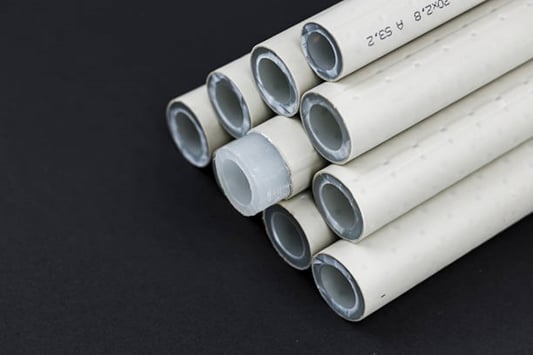
Comprehensive Guide to PPR Pipe: Benefits, Applications, and Installation
Understanding PPR pipe: An Introduction Polypropylene Random Copolymer (PPR) pipe is a widely used plastic piping material primarily designed for hot and cold water supply systems. Known for its exceptional resistance to heat and pressure, PPR pipes have become a popular choice in residential, commercial, and industrial plumbing. This material combines durability, safety, and environmental sustainability, making it an ideal solution for modern piping needs.Material Composition and Manufacturing Process PPR pipes are produced using polypropylene random copolymer resin, which gives them excellent thermal stability and chemical resistance. The manufacturing process involves extrusion, where the molten polymer is forced through dies to form pipes of varying diameters. Advanced technology ensures uniform wall thickness and smooth surfaces, which minimize friction loss and prevent bacterial growth inside the pipes.Benefits of Using PPR Pipe in Plumbing Systems PPR pipes offer several advantages over traditional metal or PVC pipes. Key benefits include corrosion resistance, high temperature tolerance (up to 95°C), non-toxic properties, and excellent pressure endurance. Their lightweight nature facilitates ease of installation, while their longevity reduces maintenance costs, ensuring a cost-effective and reliable plumbing solution.Thermal and Chemical Resistance of PPR Pipe One of the standout features of PPR pipes is their ability to withstand high temperatures without deforming or losing strength. They resist chemicals and corrosion, making them suitable for transporting aggressive liquids and gases. This resistance extends the lifespan of the pipes and ensures safe, contamination-free fluid transport across various applications.Applications of PPR Pipe Across Industries PPR pipes are extensively used in potable water supply, heating systems, air conditioning, and industrial fluid handling. Their resistance to thermal shock and chemical attack makes them perfect for both residential and commercial plumbing. Additionally, their hygienic properties render them ideal for medical and food processing industries where purity is essential.Installation Techniques and Joining Methods The installation of PPR pipes is straightforward, primarily relying on heat fusion welding methods. This involves heating pipe ends and connectors until molten and then joining them to create a homogeneous bond. The resulting joints are as strong as the pipe itself, ensuring leak-free systems. This method requires minimal time and skill, reducing labor costs and installation errors.Environmental Impact and Sustainability of PPR Pipe PPR pipes are eco-friendly due to their recyclable nature and long lifespan, which minimizes replacement frequency and waste generation. Their inert composition means they do not leach harmful substances into water or soil. Moreover, PPR pipe production consumes less energy compared to metal pipes, contributing to reduced carbon footprint in plumbing infrastructure.Comparative Analysis: PPR Pipe vs. Other Piping Materials Compared to PVC, copper, and steel pipes, PPR pipes offer superior heat resistance, corrosion protection, and ease of installation. Unlike metal pipes, PPR does not corrode or scale, enhancing water quality and system durability. While slightly pricier than PVC, the long-term savings from maintenance and replacement make PPR pipes more economical.Maintenance and Longevity of PPR Pipe Systems PPR pipe networks require minimal upkeep due to their resistance to scaling, corrosion, and chemical degradation. Regular inspections can ensure system integrity, but the durable nature of the material often makes repairs infrequent. When handled correctly during installation, PPR pipes can comfortably last 50 years or more, proving their value over time.Future Trends in PPR Pipe Technology Innovations in polymer composites and manufacturing techniques continue to enhance PPR pipe performance. Developments aim at increasing UV resistance for outdoor applications, improving thermal insulation properties, and integrating antimicrobial additives. As sustainable building practices grow, PPR pipes are poised to remain a cornerstone in advanced plumbing and fluid transport systems. Quote Inquirycontact us
READ MORE