Categories

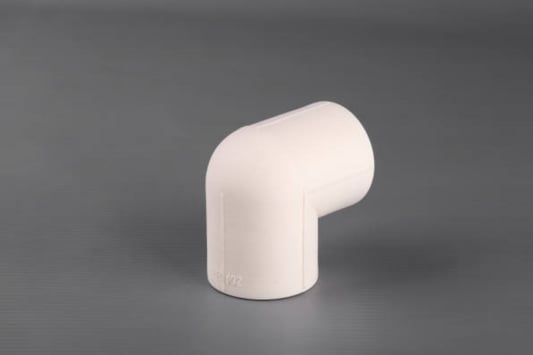
Comprehensive Guide to CPVC Elbow Connection Methods
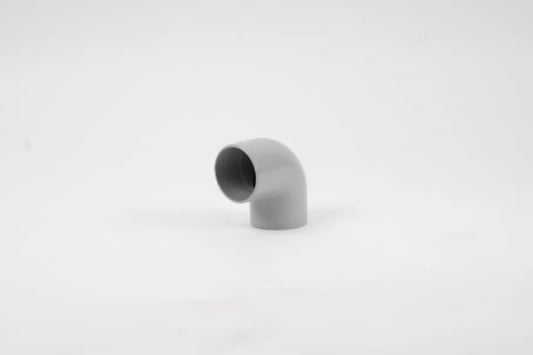
Introduction to CPVC Elbow Connection MethodsCPVC elbow connection methods are critical in piping systems where the direction of flow needs to change efficiently. These connections facilitate a smooth 90-degree or 45-degree turn in CPVC piping, widely used in plumbing, industrial, and fire sprinkler systems. Understanding various connection techniques ensures the integrity, durability, and leak-proof nature of the system.Types of CPVC Elbows and Their ApplicationsCPVC elbows come in different types, primarily 90-degree and 45-degree elbows, each catering to specific piping layouts. Their design affects the connection method used, and they are compatible with multiple joint forming techniques. Choosing the right elbow type based on flow requirements and space limitations directly influences the connection method’s effectiveness.Solvent Cement Welding: The Most Common CPVC Elbow Connection MethodSolvent cement welding remains the most popular CPVC elbow connection method due to its reliability and ease of use. This process involves applying a chemical solvent that softens the pipe and fitting surfaces, allowing them to fuse and create a permanent, leak-proof joint after curing. Proper surface preparation and curing time are essential for optimal results.Mechanical Compression Fittings in CPVC Elbow ConnectionsMechanical compression fittings provide a versatile CPVC elbow connection method that requires no solvent cement. This method uses compression rings and nuts to clamp the elbow onto the pipe, offering a reliable solution for repairs or temporary setups. Mechanical fittings are ideal when disassembly may be required.Threaded CPVC Elbow Connections: Advantages and ConsiderationsThreaded CPVC elbow connection methods involve threading the pipe ends and matching fittings to screw together. This technique allows for easy assembly and disassembly but requires careful threading to avoid leaks. Threaded connections are typically recommended for smaller diameter pipes and where frequent maintenance is a concern.Heat Fusion Techniques for CPVC ElbowsThough less common than solvent welding, heat fusion methods use controlled heat to melt and bond CPVC elbow joints. This results in a seamless and strong connection. Specialized equipment and training are necessary, making this method suitable for industrial or high-performance applications where maximum joint strength is required.Use of Flanged Connections with CPVC ElbowsFlanged connectors paired with CPVC elbows offer an alternative connection method often used in systems where CPVC is joined to metal piping or equipment. The flange provides mechanical strength and ease of servicing, but requires gaskets and appropriate torque to ensure a leak-tight seal.Challenges in CPVC Elbow Connection MethodsCommon challenges encountered during CPVC elbow connections include improper solvent application, misalignment, inadequate curing, and thermal expansion issues. Each connection method demands specific attention to detail to avoid leaks, joint failures, or degradation, influencing the system’s overall longevity and safety.Inspection and Testing of CPVC Elbow ConnectionsAfter installation of CPVC elbow connections, thorough inspection and pressure testing are essential. Visual checks for gaps, cracks, or solvent residue must be conducted, along with hydrostatic pressure tests to confirm joint integrity. This quality control process prevents future failures and ensures compliance with industry standards.Maintenance Tips for Long-Lasting CPVC Elbow ConnectionsProper maintenance of CPVC elbow connections involves regular inspection for signs of wear or chemical damage and ensuring environmental factors such as UV exposure and extreme temperatures do not compromise the joints. Implementing routine checks can prolong the lifespan of CPVC piping systems and maintain optimal performance.Future Trends in CPVC Elbow Connection MethodsInnovations in CPVC elbow connection methods focus on enhancing ease of installation, joint strength, and environmental sustainability. New solvent formulas, improved mechanical fittings, and advancements in heat fusion technology are emerging trends that promise to improve efficiency and reliability in CPVC piping systems.Quote Inquirycontact us
READ MORE
Understanding SCH80 CPVC Elbow Durability: Key Factors and Advantages
Introduction to SCH80 CPVC Elbow Durability SCH80 CPVC elbows are essential components in piping systems where durability and reliability are paramount. The term "SCH80" refers to Schedule 80, indicating a thicker wall thickness compared to Schedule 40, providing enhanced mechanical strength. These elbows, made from Chlorinated Polyvinyl Chloride (CPVC), are designed to withstand demanding conditions, making their durability a critical aspect for long-lasting performance in industrial, commercial, and residential piping networks. Material Composition and Its Impact on Durability The durability of SCH80 CPVC elbows largely depends on the inherent properties of CPVC as a material. CPVC is a thermoplastic polymer that has been chlorinated to improve chemical resistance and thermal stability. This chlorination process enhances the polymer’s resistance to heat, pressure, and corrosion, making SCH80 CPVC elbows durable under extreme environmental conditions, including exposure to aggressive chemicals. Resistance to High Temperatures and Pressure One of the standout features contributing to SCH80 CPVC elbow durability is their ability to endure high temperatures and pressures. CPVC can typically withstand temperatures up to 200°F (93°C), making it suitable for hot water systems. Combined with the thicker walls indicated by Schedule 80, these elbows maintain structural integrity under stress, resisting deformation or failure, even in demanding industrial applications. Chemical Resistance for Longevity SCH80 CPVC elbows possess excellent resistance against a wide range of chemicals, including acids, alkalis, and salts. This resistance prevents corrosion and degradation often seen in metal piping systems, significantly extending the lifespan of the elbows. This chemical inertness is paramount in chemical processing plants and water treatment facilities, where piping must reliably transport aggressive substances without deterioration. Impact of Mechanical Stress and Physical Wear Durability also involves the ability to withstand mechanical forces such as impacts, vibrations, and pressure surges. The robust design of SCH80 CPVC elbows, featuring thicker walls than lighter schedules, allows them to absorb physical stress without cracking or breaking. This durability is crucial in environments where pipes may be subjected to accidental knocks or shifting structural loads. UV and Weathering Resistance in Outdoor Applications While CPVC generally resists many environmental factors, prolonged exposure to direct sunlight can affect polymers. However, many SCH80 CPVC elbows are treated or formulated to enhance UV resistance, preventing brittleness and discoloration. This adaptation ensures durable performance in outdoor applications, where weathering could otherwise compromise the elbow’s integrity over time. Installation Factors Affecting Durability The longevity of SCH80 CPVC elbows is also significantly influenced by proper installation practices. Using compatible solvents and primers for fusion or solvent welding creates strong joints that contribute to the overall system durability. Incorrect installation techniques or incompatible joining methods can weaken the elbow’s structural integrity, making it susceptible to leaks and failure despite the inherent material durability. Maintenance and Inspection Practices Regular maintenance and inspection enhance the durability of SCH80 CPVC elbows by identifying early signs of wear, stress, or damage. Routine checks for cracks, discoloration, or deformation allow timely repairs or replacements, preventing catastrophic failures. The durable nature of these elbows allows for long service intervals, but maintenance remains a critical part of durability management. Comparison with Alternative Materials Compared to metal or other plastic alternatives, SCH80 CPVC elbows offer a superior balance of durability, corrosion resistance, and ease of installation. Metals may suffer from rust or corrosion, reducing durability, while other plastics might not withstand chemical or temperature extremes as effectively. This combination gives SCH80 CPVC elbows a competitive advantage in demanding piping applications. Environmental and Economic Benefits of SCH80 CPVC Elbow Durability The extended service life afforded by SCH80 CPVC elbows reduces the frequency of replacements, minimizing waste and environmental impact. Additionally, their resistance to corrosion and chemical degradation lowers maintenance costs and downtime. This durability translates into significant cost savings and sustainability advantages over the lifecycle of piping systems. Quote Inquirycontact us
READ MORE
Comprehensive Strategies for Effective 45Deg Elbow Leak Prevention
Understanding the Basics of 45Deg Elbow Leak Prevention The 45Deg elbow is widely used in piping systems to alter the direction of flow. However, this bend often becomes a critical point for leaks due to inherent stress concentrations and potential weaknesses at the joints. Effective 45Deg elbow leak prevention starts with understanding the mechanical and operational demands that lead to seal failure. Ensuring a solid grasp of the elbow’s role in the system helps in selecting proper materials, fittings, and installation techniques tailored for leak resistance. Material Selection’s Role in Preventing 45Deg Elbow Leaks Material compatibility with the fluid, pressure, and temperature conditions directly affects 45Deg elbow leak prevention. Corrosion-resistant materials such as stainless steel or specialized alloys can reduce the risk of deterioration at the elbow joint. Selecting elastomers with high compatibility for seals or gaskets further helps prevent leaks caused by material degradation. This proactive choice of materials significantly highlights the importance of preventative measures in 45Deg elbow leak management. Precision in Installation to Mitigate Leak Risks Proper installation practices are pivotal in 45Deg elbow leak prevention. Misaligned fittings or improper torque during tightening can lead to uneven stress distribution, creating micro gaps that cause leaks over time. Utilizing precision alignment tools and adhering strictly to manufacturer torque specifications ensures the elbow is secured optimally, minimizing leak potential at the joints and flanges. Importance of Proper Pipe Support and Stress Distribution Unsupported piping near a 45Deg elbow increases mechanical stress, which accelerates wear and leakage risk. Implementing adequate pipe supports to reduce vibrations and prevent sagging allows for even stress distribution across the elbow. This structural strategy is crucial for preventing 45Deg elbow leaks caused by excessive bending, fatigue, or strain. Role of Sealants and Gasket Solutions Incorporating high-quality sealants and gaskets designed specifically for 45Deg elbow joints enhances leak prevention. Sealants that maintain flexibility and chemical resistance under operating conditions accommodate thermal expansion and contraction without losing adhesion. Selecting appropriate gaskets, such as spiral wound or ring-type joint gaskets, further ensures tight sealing, especially in high-pressure or high-temperature applications. Regular Inspection and Maintenance Protocols Ongoing inspection and maintenance form the backbone of effective 45Deg elbow leak prevention. Employing non-destructive testing techniques such as ultrasonic testing or pressure decay methods helps detect early signs of leaks before catastrophic failure occurs. Scheduled maintenance intervals focused on checks and timely replacement of worn components sustain leak-free operation across the system’s lifespan. Advanced Leak Detection Technologies Implementing modern leak detection technologies such as smart sensors and infrared thermography improves early identification of 45Deg elbow leaks. These tools provide real-time data allowing engineers to react promptly to pressure drops or temperature anomalies indicative of leakage. Leveraging such technology significantly reduces downtime and repair costs associated with undetected leaks. Impact of Fluid Dynamics and Pressure Management Careful control of fluid velocity and pressure within piping systems directly affects 45Deg elbow leak prevention. Abrupt pressure surges or turbulence at the elbow can erode sealing surfaces and joints, increasing leak susceptibility. Employing pressure regulators, dampeners, and flow conditioners minimizes hydraulic stress, preserving the integrity of the 45Deg elbow connection. Training and Best Practices for Operational Staff Trained personnel are essential in maintaining systems free from 45Deg elbow leaks. Emphasizing best practice protocols for installation, operation, and emergency response ensures that potential leak sources are identified and addressed promptly. Continuous education on the latest techniques and standards fortifies the workforce’s capability in leak prevention efforts. Future Innovations in 45Deg Elbow Leak Prevention Emerging advancements in materials science and sealing technology promise enhanced reliability for 45Deg elbow leak prevention. Nanocoatings, self-healing sealants, and additive manufacturing of precision components are on the horizon, offering unprecedented leak resistance. Monitoring these innovations allows industries to adopt cutting-edge solutions, reducing maintenance costs and improving system longevity in the near future. Quote Inquirycontact us
READ MORE
Essential Guide to CPVC Pipe Elbow Maintenance for Longevity and Efficiency
Understanding the Importance of CPVC Pipe Elbow Maintenance CPVC pipe elbows are critical components in piping systems, redirecting flow and enabling complex pipeline layouts. Proper CPVC pipe elbow maintenance ensures system integrity, prevents leaks, and extends the lifespan of plumbing networks. Neglecting maintenance can result in costly repairs and inefficient fluid transport, making routine care essential.Common Causes of Wear and Tear in CPVC Pipe Elbows The main causes of wear in CPVC pipe elbows include mechanical stress, thermal expansion, chemical corrosion, and improper installation. Over time, these factors can cause cracks, deformation, or joint failure. Understanding these causes helps in developing a proactive CPVC pipe elbow maintenance schedule tailored to specific conditions and usage.Inspection Techniques for Effective CPVC Pipe Elbow Maintenance Regular inspections form the backbone of CPVC pipe elbow maintenance. Visual checks for cracks, discoloration, or joint misalignment, as well as pressure testing and thermal imaging, can reveal early signs of damage. Combining these methods allows maintenance teams to identify issues before they escalate, ensuring consistent pipe performance.Cleaning Methods to Preserve CPVC Pipe Elbows Dirt, debris, and chemical residues can compromise the quality of CPVC pipe elbows. Gentle cleaning using mild detergents and appropriate solvents helps maintain the surface integrity and prevents clogging. Proper cleaning regimes prevent buildup that might lead to corrosion or reduce flow efficiency within elbows.Repair Strategies for Damaged CPVC Pipe Elbows Minor damages like superficial cracks or joint leaks can often be repaired by solvent welding or by applying compatible sealants in CPVC pipe elbow maintenance. For severe damages, replacement remains the best solution. Selecting the right method depends on damage extent and system operating conditions, ensuring a reliable and long-lasting fix.Role of Proper Installation in CPVC Pipe Elbow Longevity Successful CPVC pipe elbow maintenance begins at installation. Correct alignment, appropriate use of fittings, and ensuring solvent cement compatibility prevent premature joint failure. Well-executed installation minimizes stress points and supports the overall durability of the piping network.Thermal Considerations in Maintaining CPVC Pipe Elbows Temperature fluctuations can cause expansion and contraction in CPVC pipe elbows, leading to mechanical stress. Incorporating thermal expansion joints and ensuring proper insulation during maintenance helps mitigate these effects. Monitoring ambient and fluid temperatures aids in anticipating potential damage related to thermal stresses.Preventing Chemical Damage through Proper Material Handling Exposure to aggressive chemicals can degrade CPVC pipe elbows. During maintenance, it’s vital to verify chemical compatibility and avoid using harsh cleaning agents that could weaken the polymer structure. Selecting CPVC grades resistant to specific chemicals ensures longer service life and reduced maintenance frequency.Monitoring Pressure and Flow Rates to Safeguard CPVC Pipe Elbows Excessive pressure or turbulent flow can strain CPVC pipe elbows, accelerating wear. Regularly monitoring pressure levels and flow rates is critical in CPVC pipe elbow maintenance. Installing pressure relief valves and ensuring smooth flow transitions protect the elbows from premature damage.Scheduled Replacement and Upgrading for Optimal Performance Even with meticulous maintenance, CPVC pipe elbows have a finite service life. Developing a replacement schedule based on operational data and visual inspections optimizes system performance. Upgrading to enhanced CPVC materials or improved elbow designs can also reduce future maintenance demands and improve system resiliency.Quote Inquirycontact us
READ MORE
SCH80 Elbow Compatibility Guide: Ensuring Proper Fit for Piping Systems
Understanding SCH80 Elbows: Definition and Uses SCH80 elbows are high-strength, schedule 80 pipe fittings used to change the direction of flow in piping systems. Renowned for their thicker walls compared to Schedule 40 counterparts, SCH80 elbows provide enhanced durability and pressure resistance. These fittings are critical in industries where reliability under high pressure and temperature is mandatory, such as chemical processing and oil & gas pipelines. Material Composition and Its Impact on Compatibility The compatibility of SCH80 elbows largely depends on their material composition. Common materials include stainless steel, carbon steel, and PVC—all suited for different applications. Choosing a material compatible with the transported fluid and operating environment ensures corrosion resistance and longevity. For instance, stainless steel SCH80 elbows are ideal for corrosive media, while carbon steel offers robust mechanical strength for general industrial use. Size Matching: Ensuring Correct Diameter Alignment Accurate size matching is a fundamental aspect of SCH80 elbow compatibility. These elbows come in various diameters, typically measured in inches, and must align precisely with the connecting pipes. Misaligned diameters can cause leaks or mechanical failures. Proper measurement and adherence to standard dimensions dictated by ASME B16.9 or equivalent standards ensure a perfect fit and maintain system integrity. Schedule Ratings: Why SCH80 Matters The 'Schedule 80' designation refers to the wall thickness of the elbow, which is thicker than Schedule 40 and schedule 10. This thickness affects pressure rating and compatibility with certain piping systems. Engineers need to confirm that all fittings within a system conform to the same schedule rating to avoid weak points. Mixing schedule ratings can lead to inconsistent performance under pressure. Threading Types and Their Compatibility Considerations SCH80 elbows can come with different end connections such as threaded, socket weld, or butt weld. Threaded SCH80 elbows typically employ National Pipe Thread (NPT) standards, requiring careful selection to ensure thread compatibility with pipes and other fittings. Improper threading can result in leaks or damage during installation, so matching the thread type is crucial for system compatibility. Pressure Ratings and Their Role in Compatibility Pressure compatibility plays a key role in the practical use of SCH80 elbows. Given their thicker walls, SCH80 elbows can handle higher pressures than Schedule 40 fittings. Verifying that the elbow's pressure rating meets or exceeds the system requirements prevents premature failure and costly downtime. Pressure class specifications, often detailed in manufacturer datasheets, guide this crucial compatibility assessment. Temperature Range Compatibility for SCH80 Elbows Temperature conditions affect the performance and material selection of SCH80 elbows. Certain materials may become brittle at low temperatures or lose strength at elevated temperatures. Therefore, confirming that the SCH80 elbow material and design can withstand operating temperatures is integral to compatibility, especially in industries like petrochemical processing or HVAC systems. Corrosion Resistance and Environmental Factors Corrosive environments necessitate careful compatibility checks for SCH80 elbows. The selection of materials like stainless steel or specialized coatings ensures resistance against corrosion, which can compromise structural integrity. Environmental factors, including exposure to chemicals, moisture, or saltwater, must be considered in the SCH80 elbow compatibility to avoid premature degradation and maintain safety standards. Installation Techniques Impacting Compatibility Proper installation methods affect the compatibility and longevity of SCH80 elbows in piping systems. For example, welding techniques must align with the elbow’s material type to preserve strength and prevent leaks. Threaded fittings require correct torque and sealing methods. Ensuring adherence to best practices during installation helps maintain the compatibility of SCH80 elbows within the entire piping network. Common Troubleshooting and Compatibility Issues Incompatibility issues with SCH80 elbows often manifest as leaks, premature wear, or mechanical failure. Common problems include mismatched schedules, incorrect materials for the fluid type, and improper thread engagement. Addressing these issues requires a thorough review of system specifications and ensuring that every elbow used matches the design criteria and environmental constraints, as outlined in the SCH80 Elbow Compatibility Guide. Quote Inquirycontact us
READ MORE
45Deg Equal Elbow Usage Tips: Expert Guide for Efficient Piping Systems
Understanding the Purpose of a 45Deg Equal ElbowA 45Deg Equal Elbow is a crucial fitting used in piping systems to change the flow direction by 45 degrees without altering the pipe diameter. Unlike other elbows, this fitting ensures smooth flow transitions, reducing turbulence and pressure loss. It is ideal for systems where gentle changes in direction are necessary, such as HVAC, plumbing, and process piping.Material Selection for Optimal PerformanceSelecting the right material for a 45Deg Equal Elbow is essential to withstand system conditions such as temperature, pressure, and corrosive environments. Common materials include carbon steel, stainless steel, copper, and PVC. Each material offers unique benefits: stainless steel for corrosion resistance, carbon steel for high-pressure applications, and PVC for lightweight and chemical-resistant systems.Installation Techniques to Ensure Proper FitProper installation of a 45Deg Equal Elbow is vital to prevent leaks and maintain system integrity. During installation, align the elbow carefully with the corresponding pipes to avoid misalignment. Use appropriate welding or joining methods depending on the material, such as butt-welding for steel or solvent welding for PVC. Ensure that the joint is secure but avoid overtightening which can cause deformation.Flow Dynamics and Pressure Loss ConsiderationsThe 45-degree angle offers less resistance compared to sharper bends, maintaining efficient flow with reduced pressure drop. Using a 45Deg Equal Elbow helps minimize turbulence, which is beneficial for maintaining the lifespan of pumps and reducing energy consumption. It’s important to factor in the elbow’s radius and pipe diameter to calculate flow characteristics accurately.Corrosion Prevention StrategiesCorrosion can compromise the durability of a 45Deg Equal Elbow, especially in harsh environments. Applying coatings or linings such as epoxy or rubber can enhance resistance. Selecting corrosion-resistant materials like stainless steel or using cathodic protection methods prolongs elbow lifespan. Regular inspections are recommended to detect early signs of corrosion and address them promptly.Applications Across Different IndustriesThe 45Deg Equal Elbow is widely used in various industries including oil and gas, water treatment, HVAC, chemical processing, and construction. Its versatility in managing directional flow makes it indispensable in pipeline layouts where spatial constraints or gradual directional changes are necessary.Maintenance Practices for LongevityRoutine maintenance is key to extending the service life of a 45Deg Equal Elbow. This includes periodic inspection for leaks, corrosion, and mechanical damage. Cleaning the elbow internally can also prevent buildup that affects flow. Timely replacement of worn-out elbows helps maintain overall system efficiency and safety.Cost-Effective Benefits of Using 45Deg Equal ElbowsInvesting in 45Deg Equal Elbows can reduce long-term operational costs by enhancing flow efficiency and minimizing pressure losses. Their design reduces wear on the system, lowering maintenance expenses. Additionally, smoother flow transitions decrease energy consumption in pumping systems, contributing to cost savings.Common Mistakes to Avoid During UsageImproper selection or incorrect installation of 45Deg Equal Elbows can lead to system failures. Common mistakes include using elbows with incompatible materials, neglecting proper alignment, and underestimating pressure or temperature ratings. Avoiding these pitfalls ensures reliable performance and prevents costly downtime.Future Trends in 45Deg Equal Elbow DesignInnovations in manufacturing, such as the use of composite materials and advanced coatings, are enhancing the durability and function of 45Deg Equal Elbows. Efforts to improve eco-friendliness and reduce weight without compromising strength are gaining momentum. Smart monitoring technologies for early detection of issues are also being integrated into piping components.Quote Inquirycontact us
READ MORE
Comprehensive Guide to UPVC DWV 90Deg Equal Elbow: Applications and Benefits
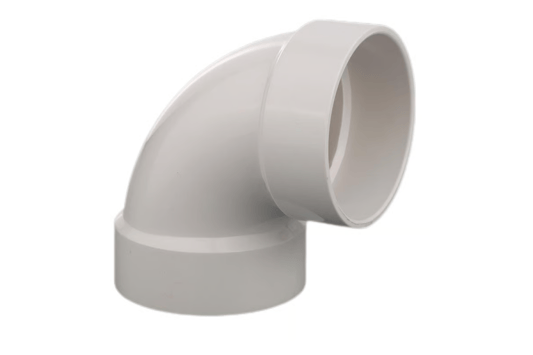
Introduction to UPVC DWV 90Deg Equal ElbowThe UPVC DWV 90Deg Equal Elbow is a vital pipe fitting extensively used in drainage, waste, and vent (DWV) systems. Constructed from unplasticized polyvinyl chloride (UPVC), this component allows for smooth directional changes of fluid flow at a precise 90-degree angle. Its equal design means both ends feature the same diameter, allowing seamless connection between pipes of identical size. This fitting is an essential element in plumbing, ensuring efficient waste removal and ventilation in residential and commercial buildings.Material Advantages of UPVC in DWV SystemsUPVC material offers remarkable resistance to chemical corrosion, making the UPVC DWV 90Deg Equal Elbow highly durable in harsh waste environments. Unlike metal counterparts, UPVC does not corrode or rust over time, reducing maintenance costs and prolonging the life of drainage systems. The lightweight nature of UPVC also simplifies installation without compromising strength, enhancing overall system reliability and reducing labor expenses.Functionality in Drainage and Venting ApplicationsThe UPVC DWV 90Deg Equal Elbow is primarily designed to manage changes in pipe direction while maintaining optimal flow characteristics. It is commonly employed in drainage piping to redirect the flow of wastewater or vent gases within plumbing systems. Its smooth interior surface minimizes turbulence and blockage risks, enabling the effective evacuation of waste and air, which is critical to maintaining proper air pressure balance within DWV systems.Installation Benefits and Ease of UseEase of installation is one of the major benefits of UPVC DWV 90Deg Equal Elbows. Their design allows for solvent cement welding, creating strong, leak-proof joints that are quick to assemble. The equal elbows are simple to align and fit into existing pipelines with minimal effort, reducing downtime during construction or repairs. Their compatibility with standard UPVC pipes of identical diameter ensures flexible and efficient pipeline configurations.Durability and Longevity in Plumbing InfrastructureThe UPVC DWV 90Deg Equal Elbow provides exceptional durability under both residential and industrial conditions. Resistance to UV radiation, chemical exposure, and physical impact ensures the fitting can withstand diverse environmental factors. Its robust design helps maintain plumbing integrity over many years without requiring frequent replacements, which is a crucial factor in cost-effective infrastructure planning.Compatibility and Standard SizesStandardization is key to plumbing system design, and UPVC DWV 90Deg Equal Elbows come in a range of diameters conforming to industry norms. This ensures compatibility with various pipe sizes commonly used in DWV applications. The equal elbow’s design facilitates uniform flow and structural consistency within the pipeline, emphasizing the importance of precise sizing to prevent leakage or misalignment during assembly.Environmental and Safety ConsiderationsConstructed from non-toxic UPVC, these 90-degree equal elbows contribute to environmentally responsible plumbing solutions. UPVC is recyclable and does not release harmful substances under normal operating conditions, making it safe for use in potable water and waste systems. Additionally, their flame-retardant properties enhance fire safety measures within building infrastructures.Economic Impact and Cost EfficiencyCost efficiency is an important factor behind the widespread adoption of UPVC DWV 90Deg Equal Elbows. These fittings are more affordable than metal alternatives while providing superior resistance to corrosion and wear. Reduced maintenance and longer service life translate to significant cost savings over time, making UPVC components a preferred choice for both new installations and system upgrades.Applications Across Residential and Commercial SettingsThe versatility of the UPVC DWV 90Deg Equal Elbow extends across both residential and commercial plumbing systems. In homes, they manage wastewater from kitchens, bathrooms, and laundry areas. In larger commercial buildings, these elbows are integral to complex drainage networks, ensuring efficient handling of waste streams and ventilation requirements. Their performance consistency allows engineers to design flexible and scalable piping solutions.Future Trends and Innovations in UPVC DWV FittingsAdvancements in polymer technology and manufacturing processes continue to improve the quality of UPVC DWV 90Deg Equal Elbows. Innovations include enhanced chemical resistance, higher pressure ratings, and improved joint sealing mechanisms. These developments are expected to widen the application scope and efficiency of UPVC fittings, reinforcing their position as essential components in modern plumbing infrastructure.Quote Inquirycontact us
READ MORE
Comprehensive Guide to UPVC DWV Coupling: Applications and Advantages
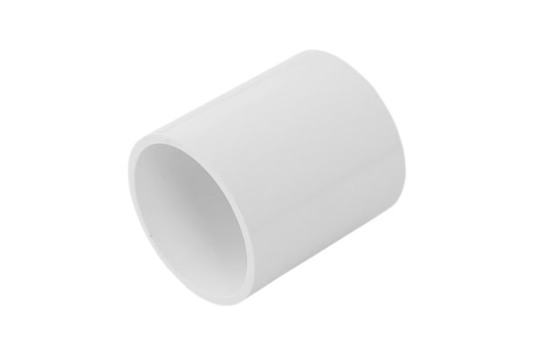
Understanding UPVC DWV Coupling: Definition and Function UPVC DWV coupling is a critical component in drainage, waste, and vent (DWV) piping systems. Made from unplasticized polyvinyl chloride (UPVC), these couplings serve as connectors that join two pipe sections together, ensuring a leak-proof and durable system. Their rigidity and chemical resistance make them highly suitable for waste water removal applications in residential and commercial plumbing.Material Advantages of UPVC in DWV Couplings UPVC stands out due to its robust chemical resistance, low maintenance needs, and longevity. Unlike traditional materials like metal, UPVC does not corrode or rust when exposed to harsh chemicals and waste liquids. This makes UPVC DWV couplings a preferred choice in environments that handle aggressive drainage substances or sewer gases.Design Features Enhancing UPVC DWV Coupling Performance The design of UPVC DWV couplings generally includes a smooth internal bore and tight-fitting sockets with rubber seals to prevent leaks. Their slip-on or solvent weld configurations enable quick and secure installations. These features contribute to enhanced flow efficiency, minimizing blockages in drainage systems.Installation Ease and Efficiency of UPVC DWV Couplings Installation of UPVC DWV coupling is straightforward, often requiring minimal tools and time. The lightweight nature of UPVC components facilitates ease in handling and fitting, significantly reducing labor costs. Additionally, solvent cement welding creates strong joints that resist system pressure changes and temperature fluctuations.Durability and Longevity in Harsh Environments UPVC DWV couplings offer exceptional durability even in harsh environmental conditions. They remain stable under ultraviolet (UV) exposure and varying temperature conditions without deforming. This long service life reduces the need for frequent replacements and contributes to sustainable plumbing infrastructure.Applications in Residential Plumbing Systems In residential plumbing, UPVC DWV couplings are commonly used to connect drain pipes from sinks, toilets, and washing machines to the main sewer line. Their non-toxic nature and resistance to bacterial growth promote hygienic waste water handling. The coupling’s corrosion resistance also prevents contamination and blockages.Commercial and Industrial Use Cases Commercial buildings and industrial plants utilize UPVC DWV couplings in extensive drainage systems requiring reliability under high-volume waste flow. Their resistance to acids and solvents found in industrial effluents makes UPVC coupling an optimal choice for chemical plants, laboratories, and manufacturing units.Environmental Benefits of Using UPVC DWV Coupling UPVC DWV couplings contribute to environmental conservation through their resistance to leaks and cracks, which reduces contamination of soil and groundwater. Furthermore, UPVC is recyclable, supporting green building practices. The long lifespan of these couplings means reduced material consumption and waste generation over time.Cost-Effectiveness Compared to Alternative Materials Compared to metal or cast iron couplings, UPVC DWV couplings offer a more cost-effective solution without compromising performance. The combined advantages of low installation costs, minimal maintenance, and longevity translate into significant savings over the lifecycle of a plumbing system.Maintenance and Troubleshooting for UPVC DWV Couplings Maintenance of UPVC DWV couplings largely involves routine inspection to ensure no physical damage or seal deterioration. When leaks or blockages do occur, couplings can be easily replaced or repaired without extensive system shutdowns. Their compatibility with standard plumbing tools simplifies troubleshooting and upkeep processes. Quote Inquirycontact us
READ MORE
Understanding UPVC DWV 45Deg Equal Elbow: Essential Guide for Plumbing Systems
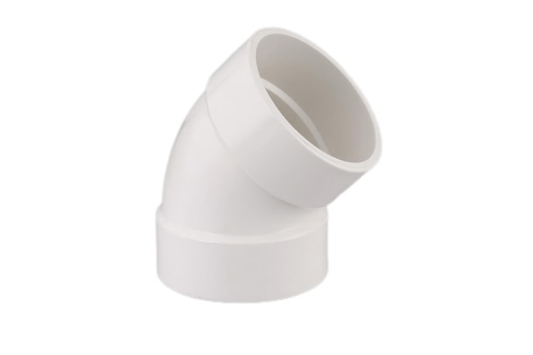
1. Introduction to UPVC DWV 45Deg Equal Elbow The UPVC DWV 45Deg Equal Elbow is a vital fitting commonly used in plumbing and drainage systems. Made from unplasticized polyvinyl chloride (UPVC), it offers durability and corrosion resistance. This elbow fitting changes the direction of water flow at a precise 45-degree angle, maintaining equal pipe diameter on both ends for seamless connections.2. Material Advantages of UPVC DWV 45Deg Equal Elbow One of the key benefits of this fitting is its material—UPVC—which is highly resistant to chemicals, corrosion, and weathering. Unlike metal elbows, the UPVC DWV 45Deg Equal Elbow does not rust, making it ideal for underground drainage and venting applications. Its lightweight nature also simplifies installation and handling.3. Role in Drain, Waste, and Vent (DWV) Systems This elbow is designed specifically for DWV systems where efficient drainage and airflow are essential. The 45-degree angle promotes smooth flow while minimizing turbulence and clogging risks, helping maintain proper venting and preventing pressure build-up within drainage pipes.4. Equal Elbow Design Features The term "equal elbow" refers to both ends having the same diameter, crucial for connecting uniform pipes. This design ensures consistent flow and system integrity, allowing for smooth transitions without requiring additional adapters or reducers, which can cause flow disturbances.5. Application in Residential Plumbing In residential settings, UPVC DWV 45Deg Equal Elbows are widely used in piping systems for bathrooms, kitchens, and waste management. Their ease of installation and compatibility with standard UPVC pipes make them a popular choice among plumbers for both new builds and repairs.6. Industrial and Commercial Use Cases Beyond homes, these elbows are essential in commercial and industrial environments, especially in wastewater management and chemical processing plants. The UPVC material’s chemical resistance and durability make the elbows reliable under harsh operating conditions.7. Installation Techniques for UPVC DWV 45Deg Equal Elbow Proper installation is critical to ensure leak-free piping. The process typically involves cleaning pipe ends, applying solvent cement, and securely inserting pipes into the elbow. This method creates a strong, permanent bond that withstands pressure and environmental stress.8. Maintenance and Longevity UPVC DWV 45Deg Equal Elbows require minimal maintenance due to their robust construction. Unlike metal components, these elbows resist rust and scaling, resulting in longer service life and reduced replacement costs, which benefits both contractors and property owners.9. Environmental and Cost Benefits The UPVC material used is recyclable, helping reduce environmental impact. Additionally, these fittings are cost-effective compared to alternative materials like copper or stainless steel, offering excellent value without compromising performance or safety.10. Purchasing Considerations and Standards When selecting UPVC DWV 45Deg Equal Elbows, it is important to choose products that comply with local plumbing standards and certifications. Verification of pipe diameter matches and angle precision ensures compatibility and optimal system function, preventing costly errors during installation. Quote Inquirycontact us
READ MORE